
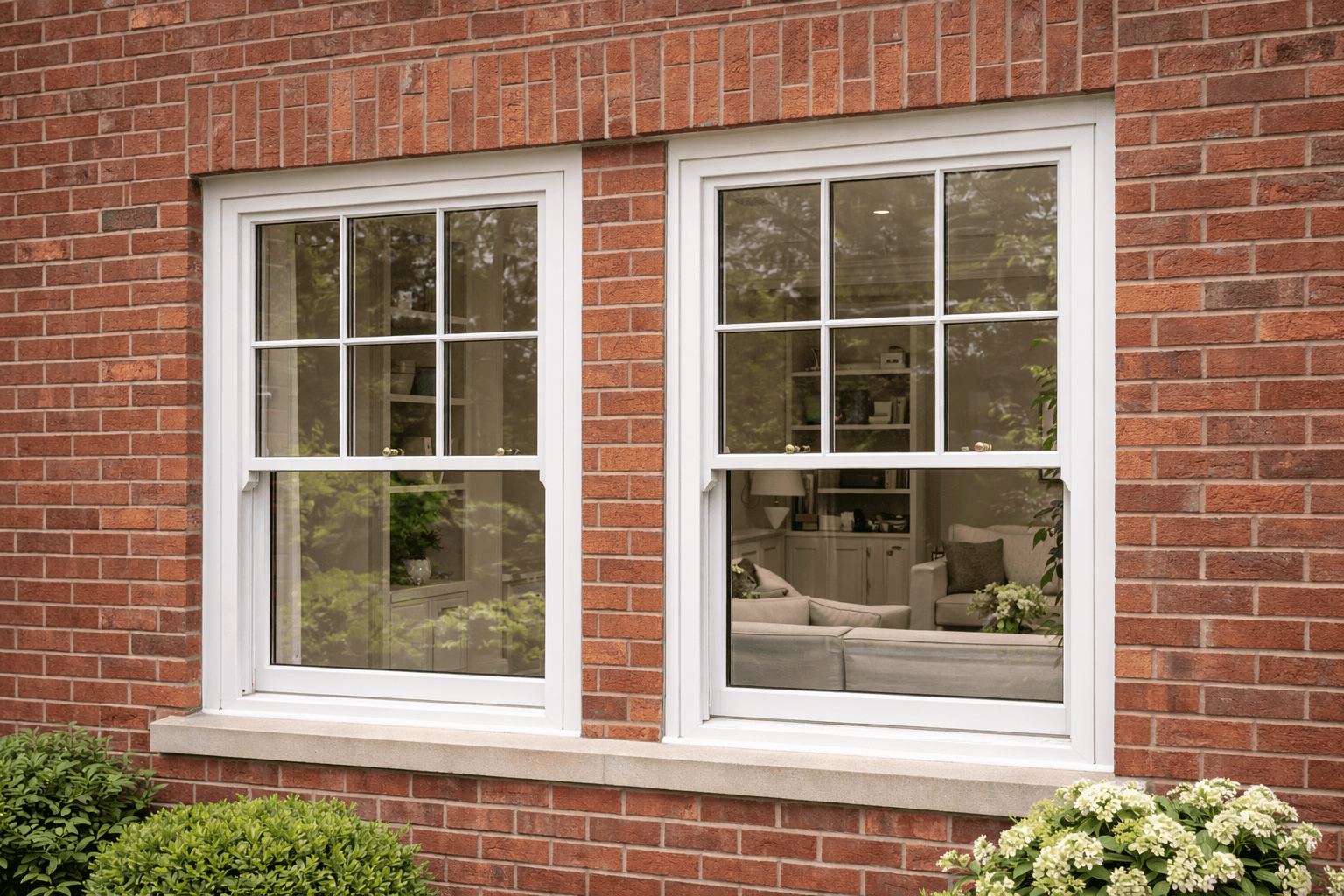
Window&DoorPlanningPermissionandBuildingRegs,ExplainedforPoole&Bournemouth
Most like-for-like replacement needs no permission at all. Here are the genuine exceptions, explained honestly. We don't obtain planning permission on your behalf, this page just tells you where you stand.
- 5.0★from 25 Google reviews
- CertifiedAssure Insurance-backed
- 10+ YearsExperience
- GuaranteedFor 10 Years
The general rule, and the exceptions
Do I need planning permission for new windows or doors?
Conservation area consent was abolished in 2013. The route now is ordinary planning permission, and like-for-like replacement often falls under permitted development, meaning no consent is needed at all.
- Most standard-property, like-for-like replacement needs no permission
- An Article 4 direction can remove that right locally, always confirm with the council first
- Listed buildings are assessed individually, regardless of the work's scale
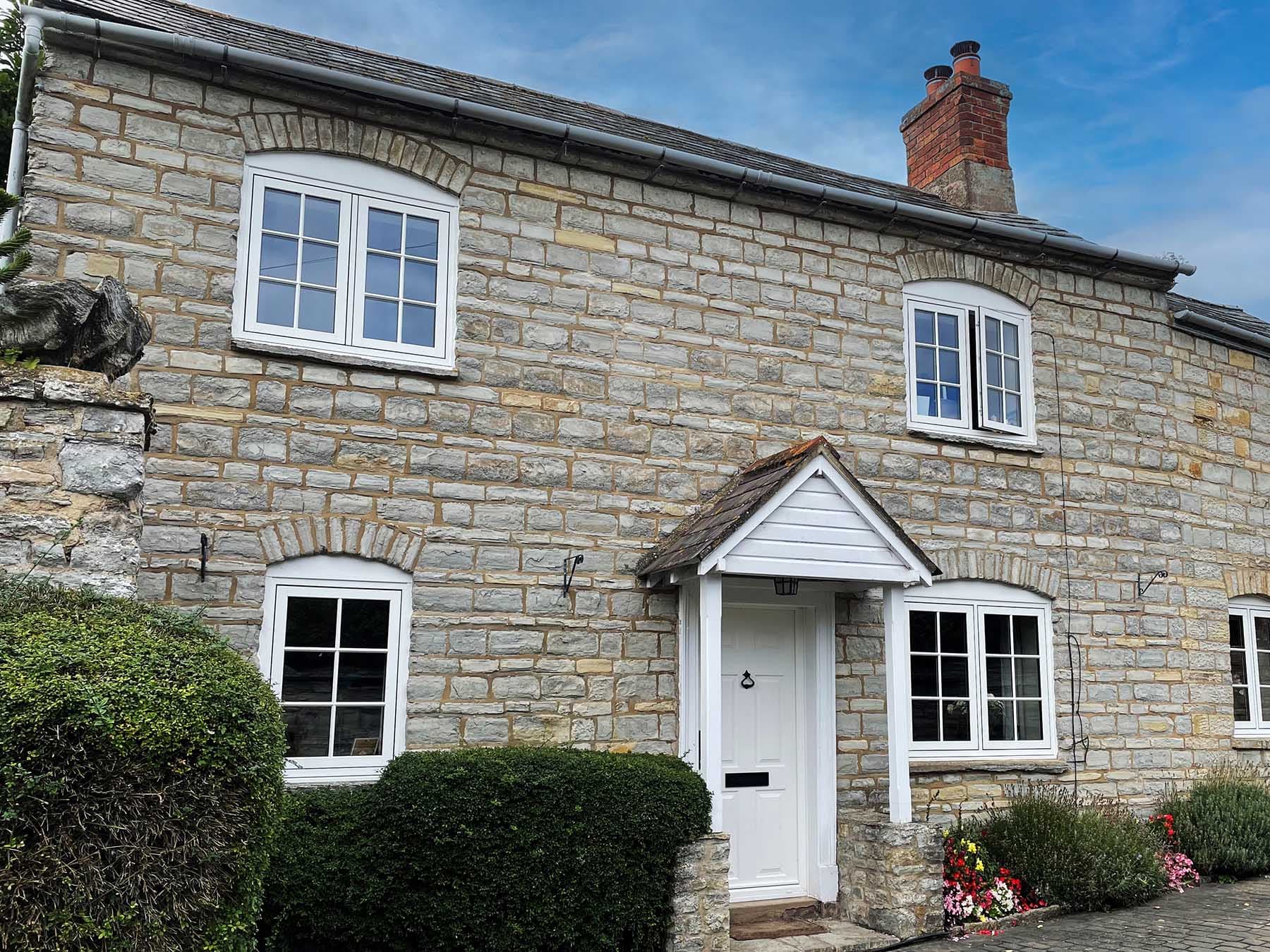
Which of these applies to your property?
Most homes are the standard case. The exceptions below are where permission genuinely changes.
A standard property
The general rule applies, like-for-like replacement is usually permitted development.
A conservation area
Planners generally assess appearance, profile, sightlines, glazing pattern, colour, not the underlying material.
A listed building
Listed Building Consent is needed for external and internal work, assessed individually, whatever the scale.
An Article 4 direction
Removes permitted development rights locally, so permission is needed even for an exact-match replacement.
Permitted development, planning permission or listed building consent?
Three different routes. Which one applies depends on the property, not just the product.
| Permitted development | Planning permission | Listed building consent | |
|---|---|---|---|
| When it applies | A standard property, like-for-like | A conservation area, Article 4 direction, or work that isn't like-for-like | Any listed building, external or internal work |
| What a planning officer looks at | Not applicable, no application needed | Appearance: profile, sightlines, glazing pattern and colour, not material | Assessed individually, consistent with the building's character |
| Extensions | Height up to 4m, eaves up to 3m within 2m of a boundary, up to 50% of the plot covered | Required if those limits are exceeded | Required regardless of size |
| Roof windows & lanterns | Usually permitted development, within set limits | Required if those limits are exceeded, or an Article 4 direction applies | Required regardless of size |
Swipe to see every column
Separate from planning permission
Part L and Part F: the technical standards, not planning permission
Planning permission and Building Regulations are two separate things. Planning is about visual impact and height. Building Regs are about safety and thermal performance. Under Approved Document L (2021), replacement windows and doors in an existing home must achieve a maximum U-value of 1.4 W/m²K, the regulatory floor, not a target.
- Approved Document F (2021, in force from 15 June 2022) requires trickle ventilation on most replacement windows, with exemptions for listed buildings and conservation areas
- Compliance is certified either by your installer, if they belong to a Competent Persons Scheme, or by Building Control. Assure is the scheme we belong to, so we self-certify and issue your certificate within 28 days. FENSA and Certass are two other schemes that do the same job
- Read every quoted U-value against the 1.4 ceiling, not as a marketing number
Appearance, not material
What a planning officer actually looks at
Planning officers generally assess replacement windows on appearance, profile dimensions, sightline widths, joint finish, colour and glazing pattern, rather than the material itself. That's why a well-specified uPVC or aluminium window can sometimes be accepted where real timber seems assumed.
- The commonly-repeated "10 year rule" is a planning enforcement time limit, not permission to build without consent and become exempt after a decade. As of a change effective 25 April 2024, England moved to a single 10-year enforcement window for almost all planning breaches
- Permission is always the council's own decision, confirmed before work starts. It isn't planning advice, and it isn't something we arrange or guarantee on your behalf
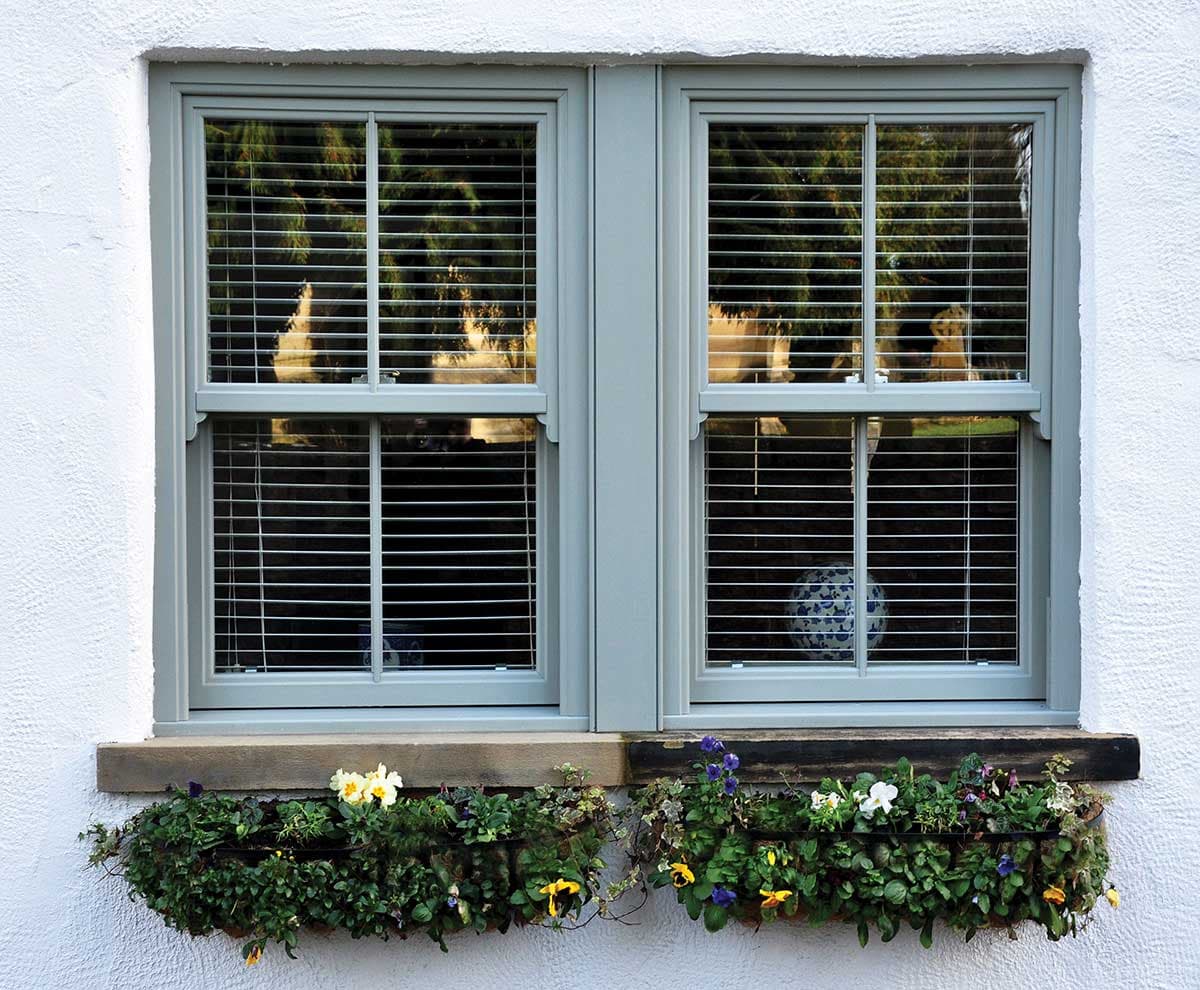
Do I need planning permission to replace my windows?
Usually not. Most like-for-like replacement on a standard property is permitted development, meaning no application is needed.
What is an Article 4 direction, and how do I know if mine has one?
It removes permitted development rights locally, meaning planning permission is needed even for an exact-match replacement. Your council can confirm whether one applies to your property.
I live in a listed building, can I still have uPVC or aluminium windows?
It's assessed individually, and appearance usually matters more than material. See our material comparison guide for how each one looks in a conservation setting.
Does the "10 year rule" mean I can ignore planning permission?
No, it's an enforcement time limit, not a licence to build without consent. Permission is still required where the rules say so.
What is the difference between planning permission and Building Regulations?
Two separate things. Planning is about visual impact and height. Building Regs, Part L and Part F, are about safety and thermal performance.
Does Wilshaw handle planning permission for me?
No. Getting planning permission is always the homeowner's own responsibility, and it's the council's decision, not ours. Josh surveys every job personally, but that survey is about the windows and doors themselves, not a planning application.
Where we work
Poole, Christchurch and Dorchester carry the most conservation-area coverage in this patch.
Not sure where you stand?
Tell us about your property and we'll flag anything obvious at survey. No planning promise, just an honest steer.
Get a free quote
Tell us what you need and we'll come back with a price. No pressure, no hard sell.
Prefer to talk, or email? Call Wilshaw Glazing on 01202 144424 or email Josh.Critchley@wilshawgroup.com