
uPVCDoorsinPoole&Bournemouth
The honest material match for back, side and utility doors, fitted with a clear, fixed price.
- 5.0★from 25 Google reviews
- CertifiedAssure Insurance-backed
- 10+ YearsExperience
- GuaranteedFor 10 Years
Start here
What a uPVC door actually is
A uPVC door is an insulated plastic frame around a foam-filled panel with several sealed chambers running through it, faced in plastic on both sides. That construction is light, cheap to make and needs no painting. It is also hollow, which is the honest difference between it and a composite door: a composite is pressed from several materials into one solid slab roughly twice the thickness. The hollow build is why a uPVC door suits a back, side or utility opening better than it suits a front entrance that gets used every day.
- An insulated plastic frame around a chambered, foam-filled panel — light and maintenance-free
- Hollow rather than solid, which is the real difference from a composite door
- Best suited to a back, side or utility opening rather than a heavily used front entrance
Why people pick us for these
Three things that are true of every uPVC door we fit.
Josh surveys every job himself
One point of contact from the first measure to the final fit. Not a salesman on the doorstep and then a stranger with a van.
Get a quoteThe honest uPVC-or-composite steer, up front
Where a composite door is the better answer for your opening, we say so before you have paid for anything. It is a stated position, not a sales trick.
Get a quoteTen years, Assure-backed
Ten years insurance-backed on our workmanship through Assure, on top of the manufacturer’s own product guarantee.
Get a quote
Is uPVC the right door here, or should this be composite?
Back, side, utility and budget jobs suit uPVC well. A front entrance is usually worth the extra for composite.
| uPVC (back, side, utility & budget doors) | Composite (front entrances) | |
|---|---|---|
| Construction | A multi-chambered uPVC profile with a reinforced core | A dense, pressed core, roughly twice the thickness of uPVC |
| Best suited to | Back, side, utility and budget replacements | A front entrance that takes daily wear |
| Typical lifespan | Around 20 to 25 years | Around 30 years or more |
| Relative cost | The more affordable option | More than uPVC, for a door built to last longer |
Swipe to see every column
Which door needs replacing?
Back, side and stable doors are where uPVC earns its keep.
Back door
Prone toTakes the most daily traffic and the most weather, so hinges and seals wear fastest here.
How we treat ituPVC is the sensible match for a door used constantly and exposed to the weather.
Side or utility door
Prone toOften the coldest, most exposed door on the house, tucked down a side return or into a utility room.
How we treat itA straightforward uPVC replacement matches the exposure without paying composite money for a low-traffic door.
Stable door
Prone toThe split design puts extra strain on the hinges and the lock, so a tired one often stops sitting square.
How we treat ituPVC keeps the classic stable-door look at a sensible price, reinforced where it needs to be.
Fitting a front door instead? See composite doors below, or send us a photo if you're not sure.
What you're actually buying
The specification, in plain terms.
Multi-chambered uPVC profile
A reinforced, multi-chambered uPVC frame built to hold its shape.
Multi-point locking
Typically locks at several points along the door edge, driven by one central handle.
Glazing options
Obscure or patterned glass, with side panels where the opening allows.
Back, side and utility openings
Sized to fit your existing opening, confirmed properly at survey.
Pricing
What a uPVC door costs, and why we quote after a survey
Every job is priced after a survey
We do not publish a price list. A uPVC door is the budget option, and part of the survey is telling you honestly whether it is the right one for your opening. Josh surveys every job himself and measures the opening properly, so the written quote you get back is a fixed price for the job in front of him rather than a guess over the phone.
- Whether a uPVC door is genuinely the right answer, or a composite would serve you better
- The size of the opening, and whether there are side panels
- The glazing and the hardware you pick
- How easy the opening is to get to
How it works, start to finish
No hard sell, just the steps.
The survey
Josh comes out and surveys the door himself, and measures it up on the day.
The quote
We send your measurements to the supplier and come back with a clear, fixed price.
The fit
We fit on the day agreed. The remaining balance is due once the job's done.
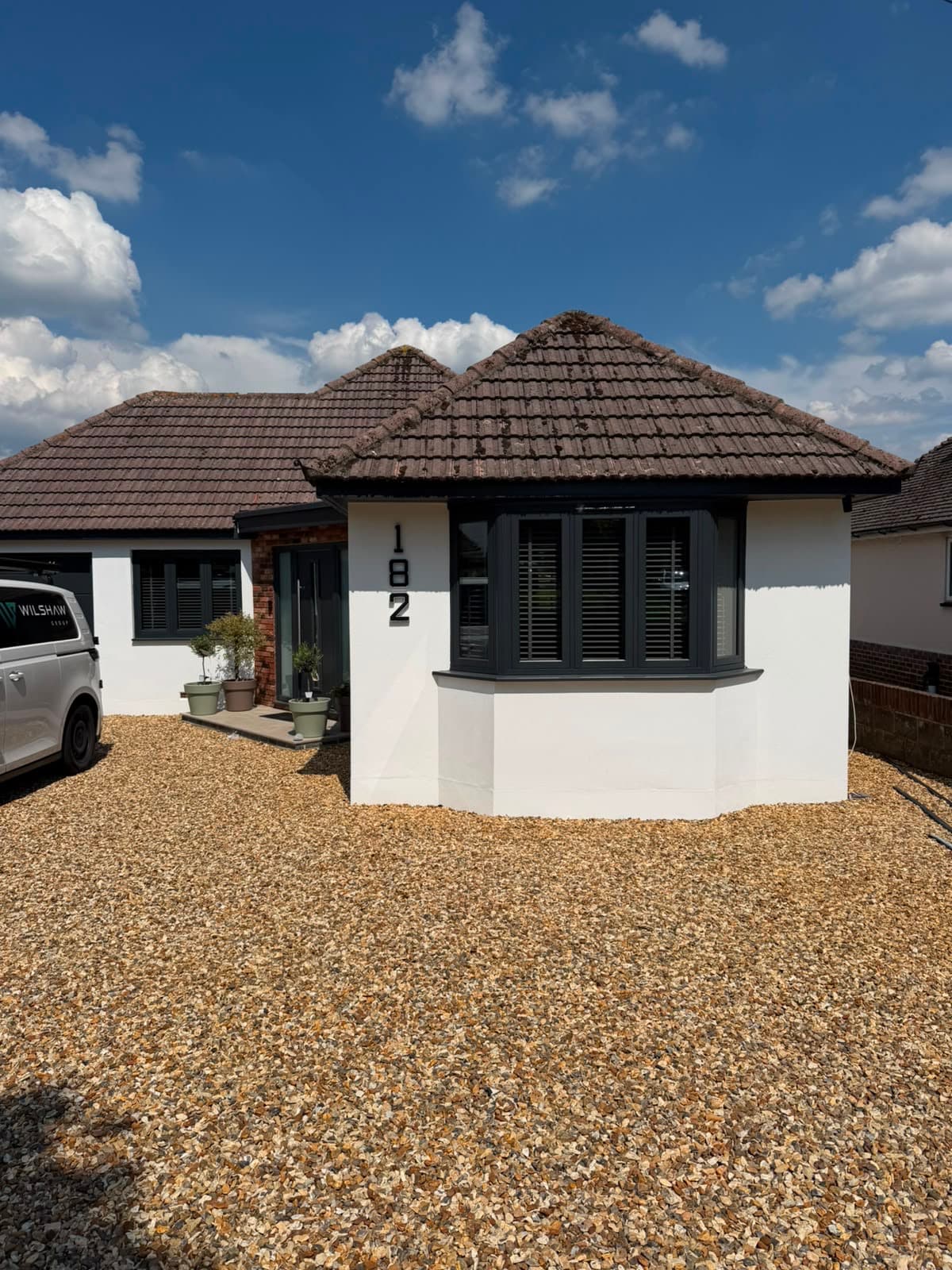
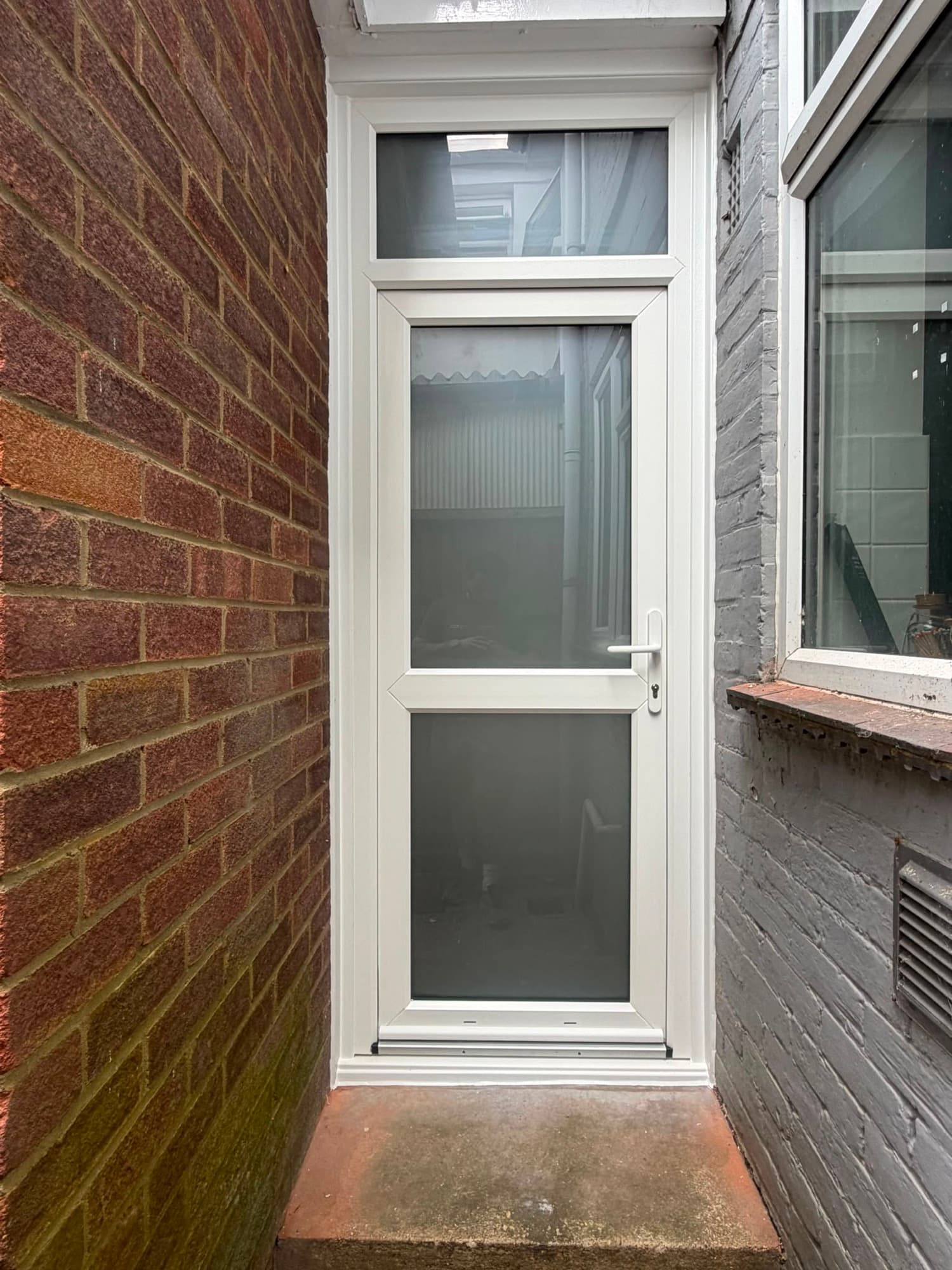
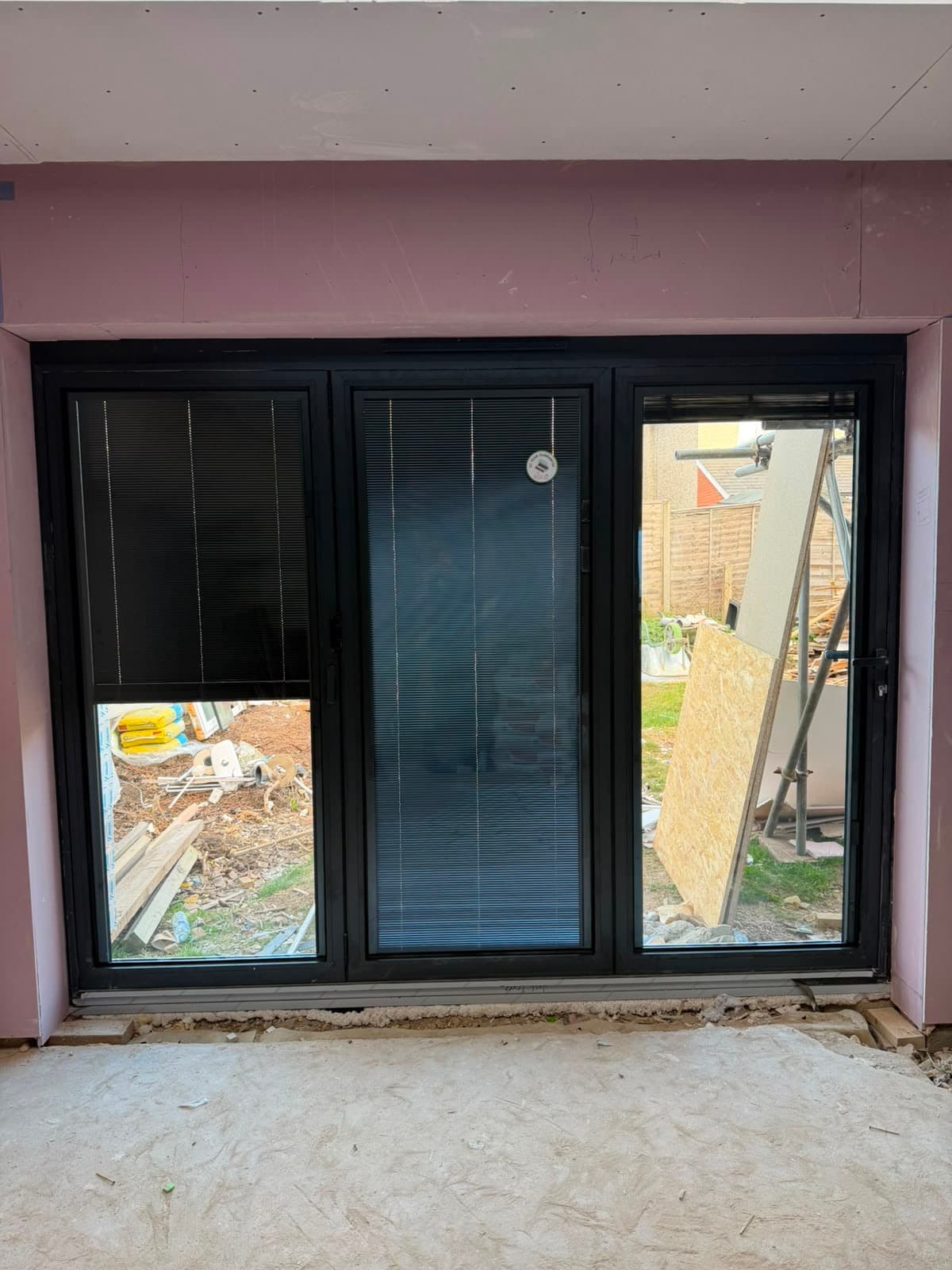
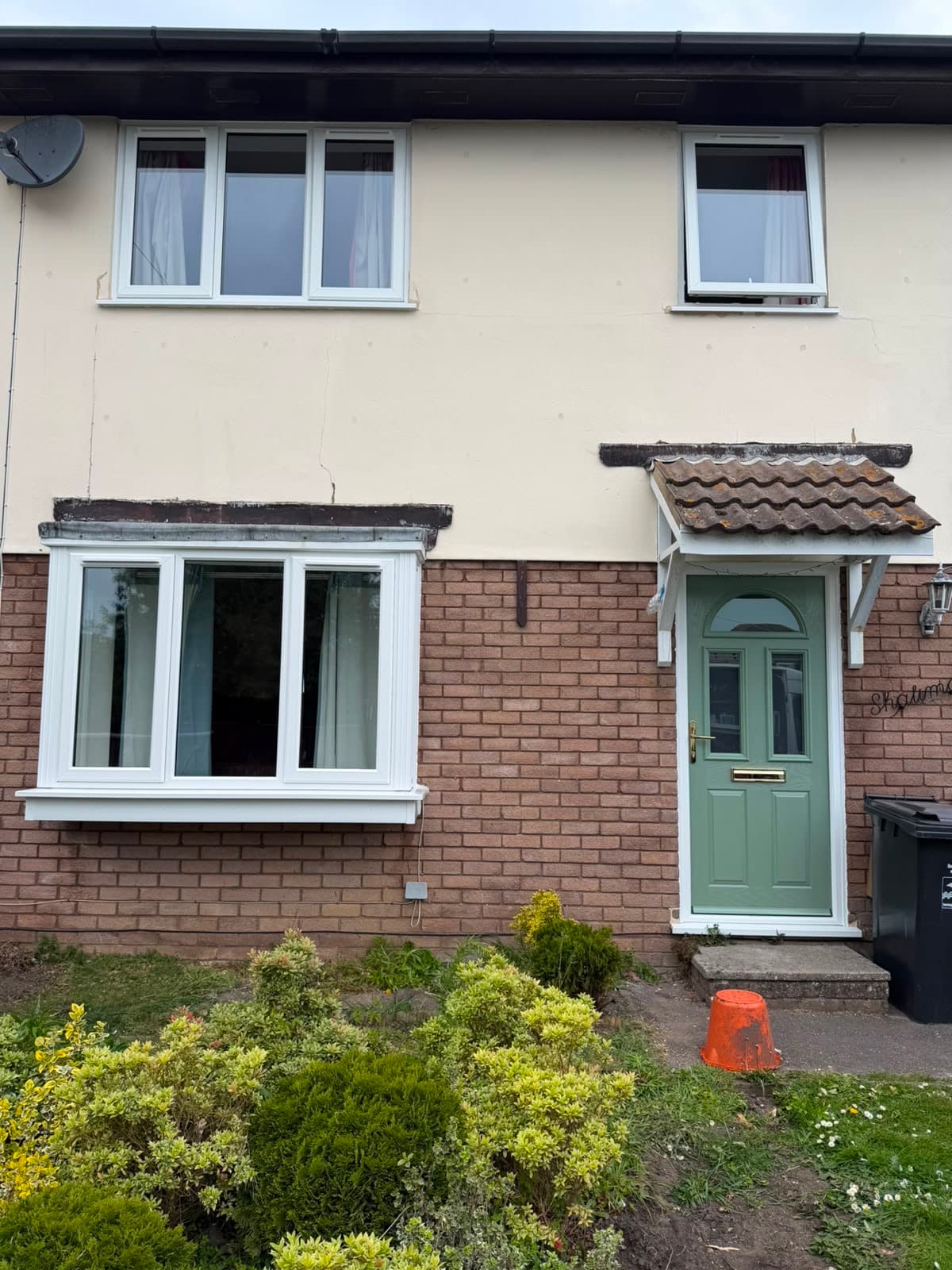
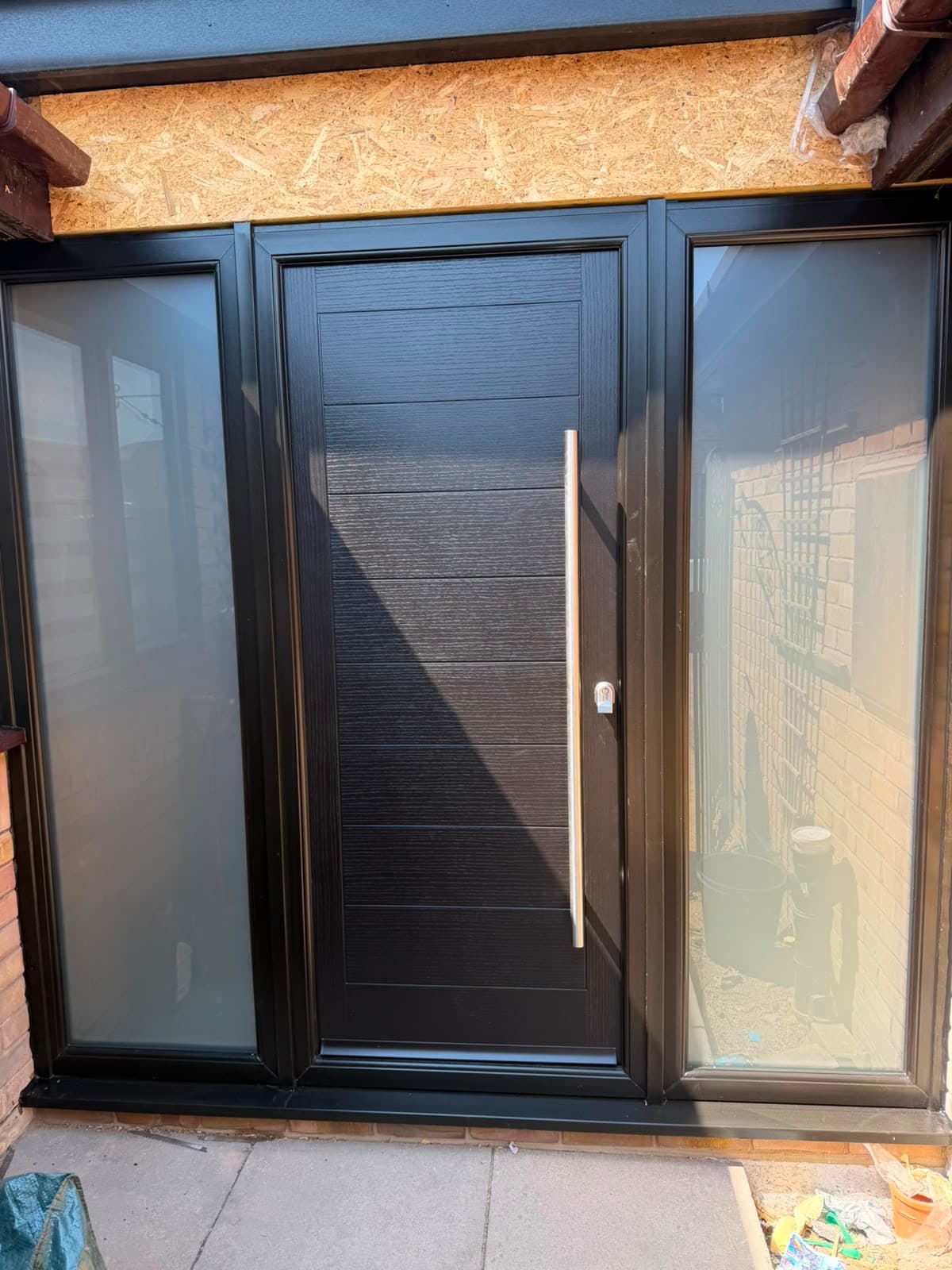
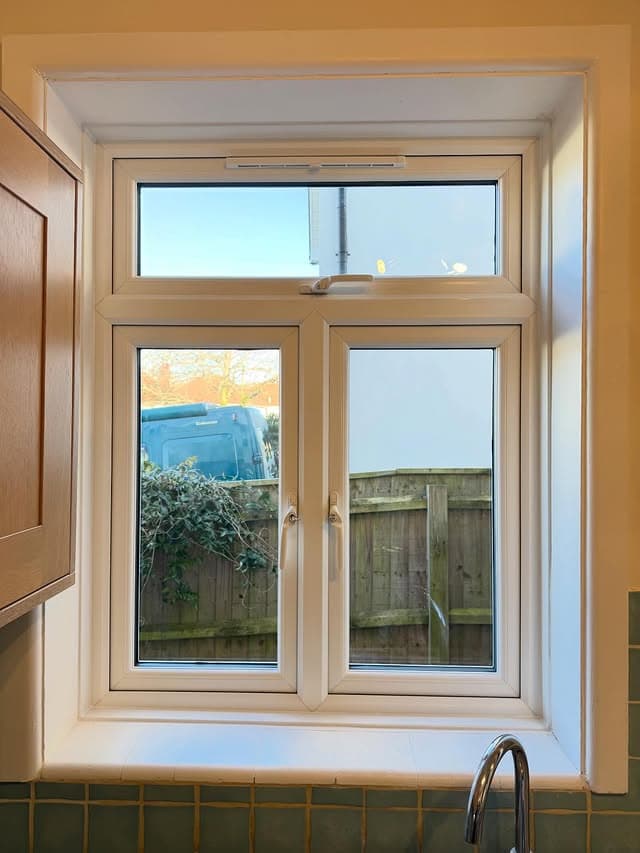
What a uPVC door looks like on a house
One of our own, plus the everyday look, inside and out.
The first photograph is a genuine Wilshaw installation. The other two are illustrative photography, not photographs of our own work.
What customers say
Straight from our Google profile.
5.0
Natasha Evans
Josh and his team worked incredibly hard replacing all of the windows and doors in our house, including fitting a beautiful bifold door in place of our old French doors. We could not be happier with the results. The quality of the workmanship was excellent, and Josh was fantastic with communication throughout the whole process. He was reliable, professional, and kept us updated every step of the way. We would highly recommend him to anyone looking for high-quality work and great service.
Andy
Josh installed our new windows, triple track doors, roof lights and front door at our house in Bournemouth. A very professional, tidy and efficient service from beginning to end. Would highly recommend Wilshaw Glazing.
Tevez Ishmael
Highly recommend Wilshaw Glazing Installed bifold with Blinds inside the glass for our new extension on our house really happy with the end result, couldn't recommend Josh enough
The bits people worry about
Will I be sold the wrong material for my door?
We tell you honestly whether uPVC or composite suits your door, that's the whole point of the steer above.
Will this actually hold up, or sag and jam like the last one?
A well-built uPVC door with a steel-reinforced frame and a quality gearbox holds up for decades, not years.
Who's coming to my house, and will I be rushed?
Josh surveys every job himself, and there's no pressure to go ahead there and then.
Why uPVC doors sag, jam or stop locking
No scare stories, just the physics.
Hinge wear and sag
The hinges carry the full weight of the glazed panel every time the door's used. Over time the fixing screws work loose and the hinge itself wears, so that side of the door drops. Thermal movement makes it worse.
The lock stops engaging
The multipoint lock is driven by a gearbox, a small mechanical assembly of cogs and springs. It usually warns you first, a floppy handle or a key that won't quite turn, before it fails properly.
What a well-built one does differently
A steel-reinforced frame and a quality gearbox handle the same wear for far longer, often 15 to 20 years or more before anything needs attention.
Front entrance?
Fitting a front door, not a back, side or utility door?
Composite is usually the better call for a front entrance. It's a denser, thicker build that stands up to daily use for longer, and it's worth the extra for the door people see and use the most.
Are uPVC doors worth it?
The sag and lock issues above aren't inevitable, they're what happens when a door's built to a price rather than a standard. A steel-reinforced frame carries the weight of the glazed panel properly, and a quality gearbox is engineered to take years of daily use without wearing out. Under normal use a uPVC door typically lasts around 20 to 25 years, against roughly 30 or more for a well-made composite. None of that makes uPVC the wrong choice, it makes it the right choice for the right opening.
- A steel-reinforced frame and a quality gearbox are what separate a door built to a standard from one built to a price
- Around 20 to 25 years under normal use, against roughly 30 or more for a well-made composite
- A back, side or utility door sees less traffic and less weather, so a lower-cost material genuinely matches a lower-stakes opening
uPVC doors, explained honestly
A uPVC door is built as an insulated uPVC frame around a foam-filled, multi-chambered panel, sealed in plastic on both faces. A composite door instead presses several materials together under high pressure, glass-reinforced plastic, insulating foam and usually a timber or condensed-foam core, into one solid structure roughly twice the thickness of a uPVC door. That denser build is why composite resists warping and impact for longer, and it's exactly why uPVC suits a back, side or utility door better than it suits a heavily-used front entrance.
Aluminium doors sit at the other end of the range. They give you a slimmer frame and more glass for the same opening, and they don't suffer the same hinge-wear or thermal-movement issues a uPVC panel can, but you're paying for that extra performance and the narrower sightline. For a back, side or utility door where the frame's hidden by a fence or a side return, uPVC usually does the job just as well for considerably less.
How much does a new uPVC door cost, fitted?
We don't publish a fixed price because every door and opening's different, but uPVC is the more affordable of the two materials we fit. The only way to get a real figure is a quick survey, and there's no obligation.
Can you just replace the door leaf, or does the whole frame have to go?
It depends on the condition of the frame. If it's sound, sometimes just the door leaf can be replaced. If the frame's moved or the seals have failed, a full replacement is usually the better long-term fix, and we'll tell you honestly which applies at survey.
What type of door is best for a back door?
uPVC, in most cases. It's the sensible, cost-effective match for a door that takes daily use but isn't the one people see first.
Which brand is best for a uPVC door?
There's no single best brand, it comes down to the quality of the frame reinforcement and the gearbox inside the lock. We'll talk you through what we fit and why at survey.
What happens next if I want a quote, will someone measure up?
Josh comes out and surveys the door himself before anything's ordered. There's no pressure to go ahead.
Where we fit them
Covering Poole, Bournemouth and across Dorset.
Ready to talk about your door?
Get a free, no-obligation quote, and we'll give you an honest steer on uPVC or composite before you decide.
Get a free quote
Tell us what you need and we'll come back with a price. No pressure, no hard sell.
Prefer to talk, or email? Call Wilshaw Glazing on 01202 144424 or email Josh.Critchley@wilshawgroup.com