
Tilt&TurnWindowsinPoole&Bournemouth
Available in our Alitherm Heritage aluminium range. Here's how the mechanism works, and an honest answer on whether it's safe for a bedroom.
- 5.0★from 25 Google reviews
- CertifiedAssure Insurance-backed
- 10+ YearsExperience
- GuaranteedFor 10 Years
Start here
What a tilt & turn window actually is
A tilt and turn is one window that opens two different ways, from a single handle. Turn the handle horizontal and the whole sash swings inward like a door, so you can clean the outside of the glass standing in your own room. Turn it upright and the sash tilts in a few inches at the top instead, leaving a gap that lets air through at high level but is far too small to climb through. Everything opens inward, which is the other half of the point: nothing swings out over a path, a balcony or a neighbour.
- One handle, two positions: swung fully in, or tilted in a few inches at the top
- It opens inward, so nothing swings out over a path or a balcony
- Tilted, you get ventilation at high level through an opening nobody could climb through
One handle, two ways to open
If you haven't lived with one before, here's what it actually does.
One single handle runs the whole lock. Turn it one way and you get tilt. Turn it further and you get turn. You can't jump straight from closed to fully open, the handle makes you pass through tilt first.
Tilt
The top of the sash pulls inward a fixed amount. The bottom stays locked in place.
For secure ventilation, even when you're out.
Turn
The bottom unlocks and the whole sash swings inward on its side hinges.
For full ventilation, and cleaning both sides of the glass from inside.
Tilt and turn hardware was designed in Germany in the 1950s and became the standard across most of mainland Europe. Britain stuck with casement and sash windows instead, which is why it can still feel unfamiliar here.
Why people pick us for tilt & turn
Three things that are true of every tilt & turn we fit.
Josh surveys every job himself
One point of contact from the first measure to the final fit. Not a salesman on the doorstep and then a stranger with a van.
Get a quoteWe say which range actually offers it
Tilt & turn is confirmed on Smart Alitherm Heritage. Cortizo casement is outward-opening only, and we tell you that rather than letting the material imply it.
Get a quoteTen years, Assure-backed
Ten years insurance-backed on our workmanship through Assure, on top of the manufacturer’s own product guarantee.
Get a quote
Tilt & turn vs a standard casement
Both are windows you open. They behave differently enough that it is worth knowing which one you actually want.
| Tilt & turn | Standard casement | |
|---|---|---|
| How it opens | Two ways from one handle: tilted in at the top, or swung fully inward | Hinged at the side or top, swinging outward |
| Which way it swings | Inward, into the room | Outward, over whatever is below the window |
| Everyday ventilation | Tilt position: air in at the top, with the opening too small to climb through | Opened on the stay, which means a gap anyone could reach |
| Cleaning the outside | Swing it fully in and clean both faces from inside the room | Reach through the opening, or use a ladder upstairs |
| Suits | Upper floors, flats, anywhere an outward sash would foul a path or a balcony | Most standard openings where there is clear space outside |
| Hardware | More of it, and it carries more weight, which is reflected in the price | Simpler, and cheaper |
Swipe to see every column
Pricing
What a tilt & turn costs, and why we quote after a survey
Every job is priced after a survey
We do not publish a price list. A tilt & turn carries more hardware than a standard casement, and the size of the opening drives that. Josh surveys every job himself and measures the opening properly, so the written quote you get back is a fixed price for the job in front of him rather than a guess over the phone.
- The size and number of windows you are replacing
- The range it goes on, which decides the hardware
- The finish you pick
- How easy the openings are to get to
How it works, start to finish
No salesman.
The survey
Josh comes out himself and confirms tilt & turn works for your opening.
The quote
A written quote, with no pressure to decide there and then.
The fit
Once you've gone ahead, we'll agree a date and fit it properly.
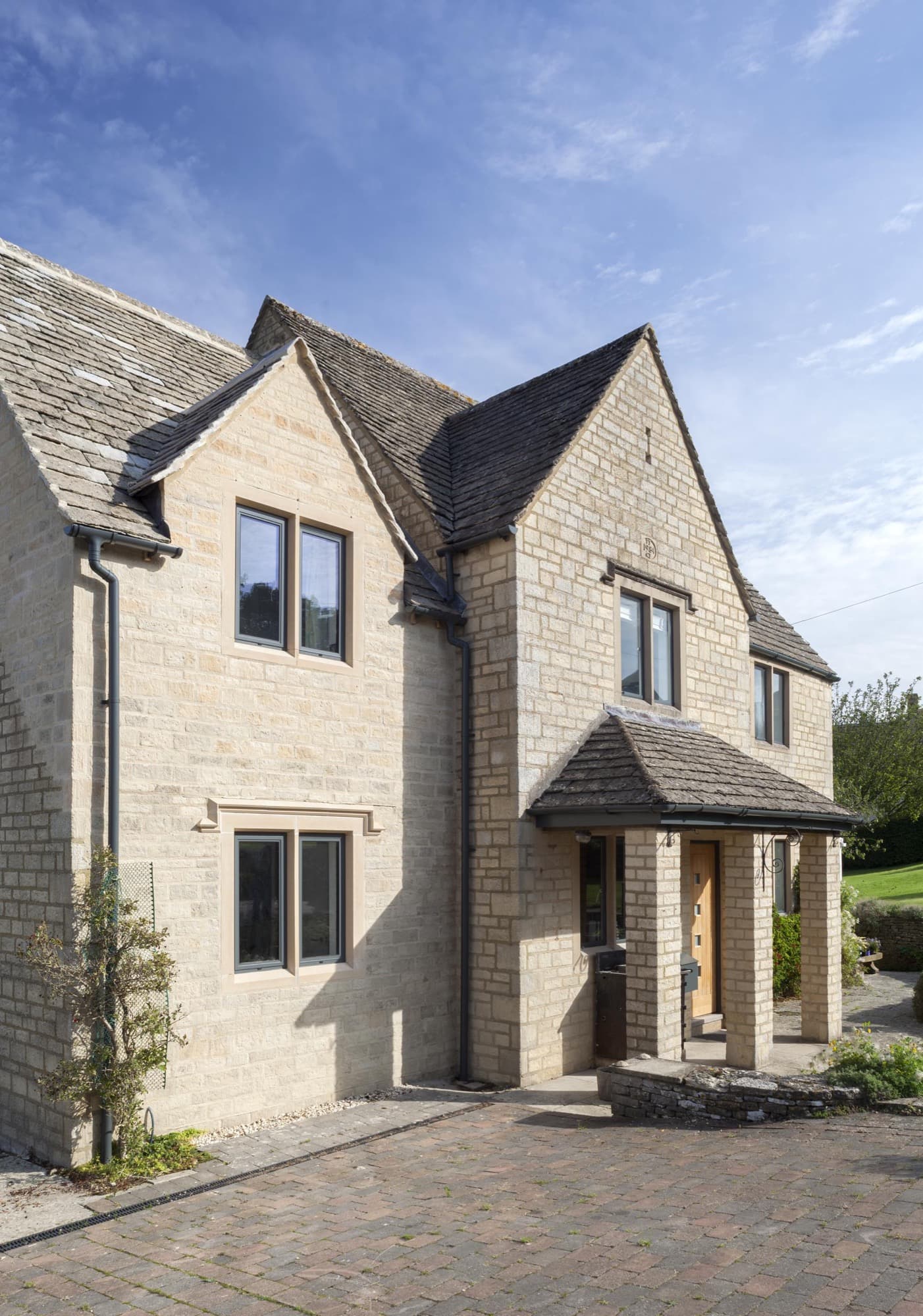
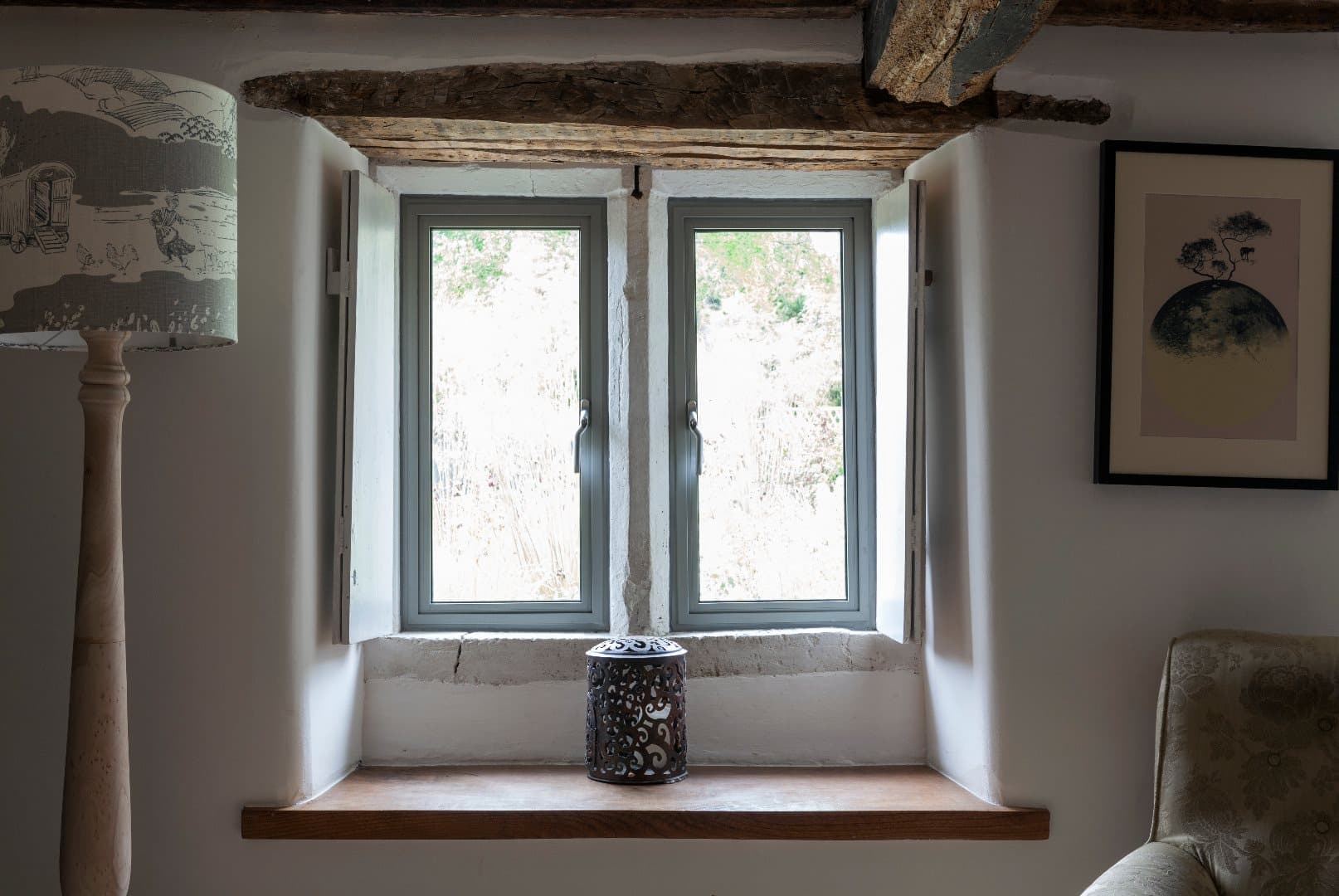
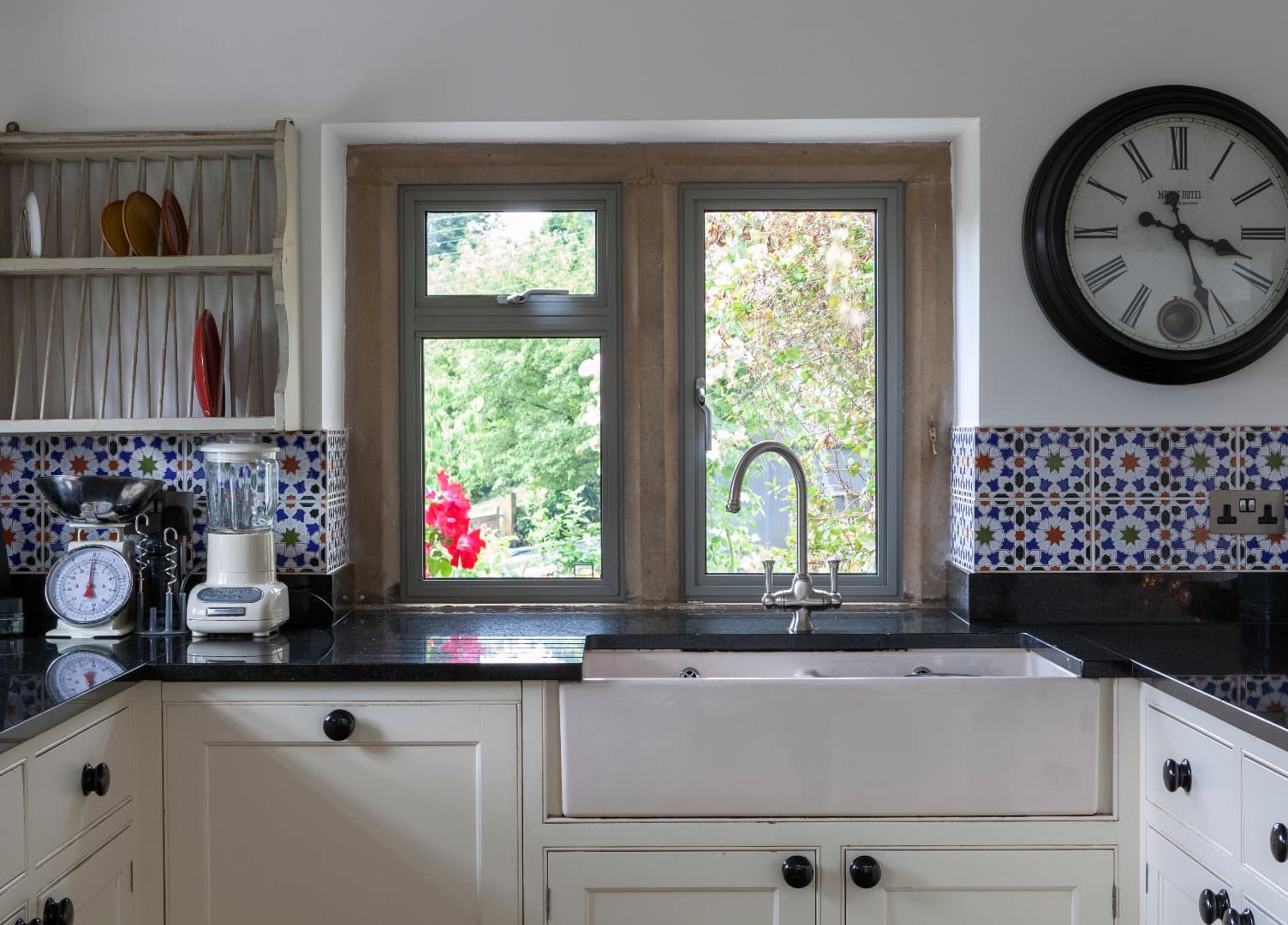
Alitherm Heritage, in real settings
General Alitherm Heritage installations. Not shown here specifically in tilt or turn mode.
This is the manufacturer's own Alitherm Heritage photography, general installations, not photographs of Wilshaw's own completed jobs and not shown specifically in tilt or turn mode.
What customers say
See our full review history on Google.
5.0
Natasha Evans
Josh and his team worked incredibly hard replacing all of the windows and doors in our house, including fitting a beautiful bifold door in place of our old French doors. We could not be happier with the results. The quality of the workmanship was excellent, and Josh was fantastic with communication throughout the whole process. He was reliable, professional, and kept us updated every step of the way. We would highly recommend him to anyone looking for high-quality work and great service.
Andy
Josh installed our new windows, triple track doors, roof lights and front door at our house in Bournemouth. A very professional, tidy and efficient service from beginning to end. Would highly recommend Wilshaw Glazing.
Which of our ranges actually offers this
Which of our windows actually give you tilt & turn?
Alitherm Heritage, our aluminium range, is confirmed to offer tilt and turn. We haven't confirmed it either way yet on our uPVC range, so we won't claim it until we have. Our Cortizo aluminium casement range doesn't offer it at all, it's outward-opening only, by design. Most local installers write as if tilt and turn is available across their whole catalogue. We'd rather tell you exactly where you stand.
- Alitherm Heritage aluminium: confirmed
- uPVC (Rehau Total 70): not currently confirmed either way
- Cortizo aluminium casement: doesn't offer it, outward-opening only
The practical case
Why tilt & turn suits upper floors and flats
Because the turn position swings the whole sash inward, you can clean both sides of the glass from inside the room. That's specifically useful on an upper floor or in a flat, where cleaning the outside of a standard window otherwise means a ladder, a pole, or a window cleaner. Day to day, the tilt position gives you secure ventilation without opening the window fully.
- Clean both faces from inside, no ladder
- Secure ventilation via the tilt position
- Especially useful for upper floors and flats
Security & child safety
Is it secure, and safe for a child's bedroom?
Tilt and turn windows lock at multiple points around the frame, not just at the handle. Alitherm Heritage is security-tested to PAS24:2016, though the manufacturer's own published scope covers casement windows and fixed lights only, so we won't claim that result for tilt & turn specifically until it's confirmed. If the window is a bedroom's only escape route, Building Regulations require any restrictor to release from inside without a key or tool, for an instant emergency exit. That's a different, quicker-release device from the tamper-resistant restrictor used purely to stop a young child falling, on a window that isn't an escape route. Fitting the wrong one creates either a fall risk or an escape risk, the two aren't automatically compatible on the same hardware. You won't find this explained plainly anywhere else in the market, and we won't gloss over it either.
- Multi-point locking around the whole frame
- PAS24-tested to 2016, for casement and fixed lights, not yet confirmed for tilt & turn specifically
- The honest tension between a child-safety restrictor and a means-of-escape restrictor, explained at survey
How much do tilt & turn windows cost?
We don't publish a fixed price, because it depends on the size, number of windows and finish. The fastest way to get a real number is a free survey.
Are tilt & turn windows a good idea? What are the disadvantages?
They're a genuinely useful style, especially upstairs or in a flat, but the mechanism costs more than a standard casement hinge and takes up a little more depth in the frame. For most ground-floor rooms, a standard casement does the job for less.
What's the difference between a tilt & turn window and a standard casement?
A casement swings open on a side hinge. A tilt & turn window does two things from one handle: tilts inward at the top for ventilation, or swings fully inward on side hinges for cleaning and full opening.
Is a tilt & turn window secure enough for a ground-floor room?
Yes, with multi-point locking around the frame. We'll talk you through the security spec and the PAS24 testing scope at survey.
Can tilt and turn windows be repaired?
Often, yes. Have a look at our repairs page, or send us a photo and we'll give you an honest answer.
Can I have a tilt & turn window in a colour to match the rest of my house?
Alitherm Heritage comes in a wide range of finishes. Our aluminium windows page has the full colour range.
See the full Alitherm Heritage range, and other window styles we fit
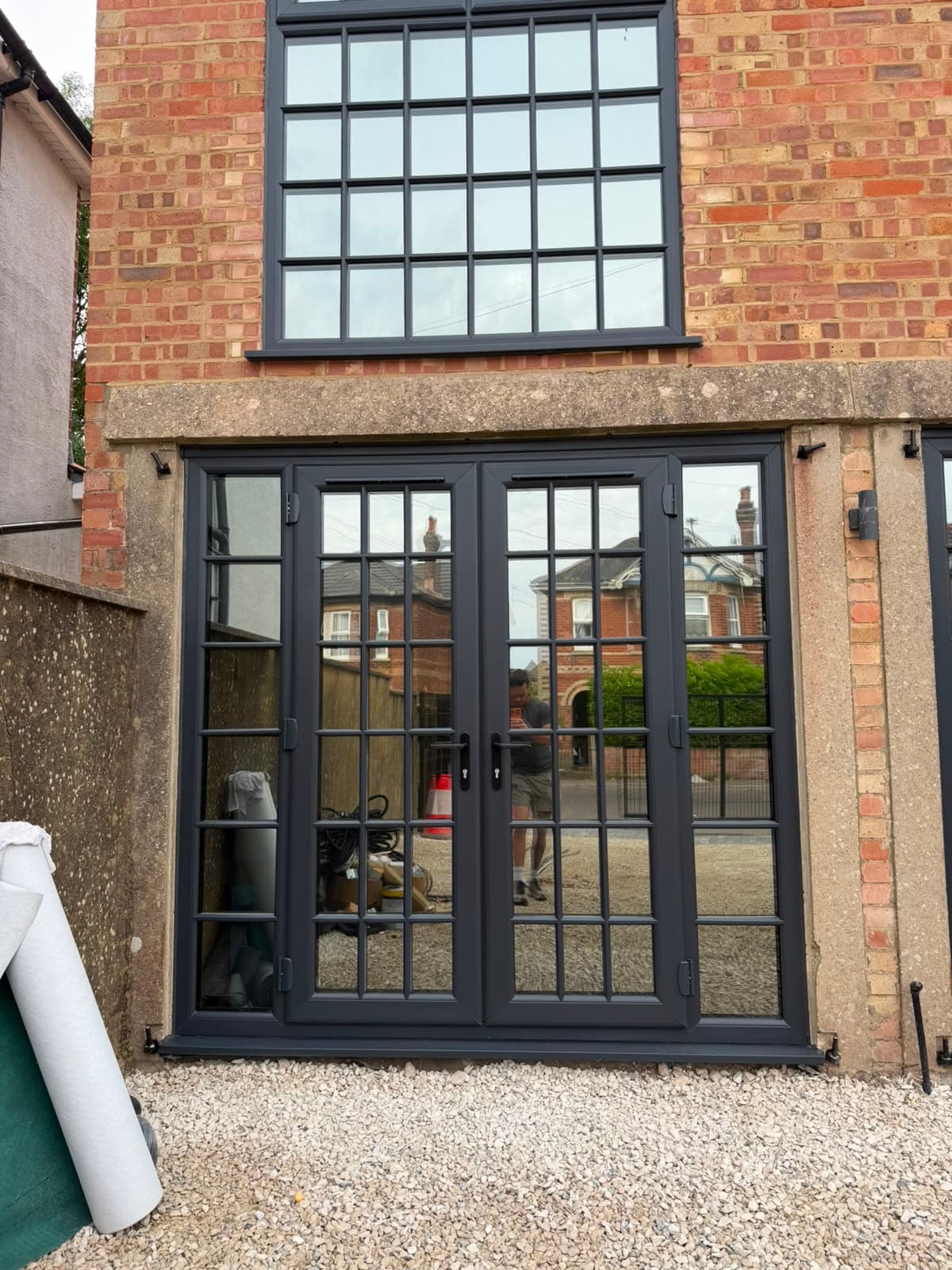
Aluminium Windows
The full Alitherm Heritage range and specification.
Learn more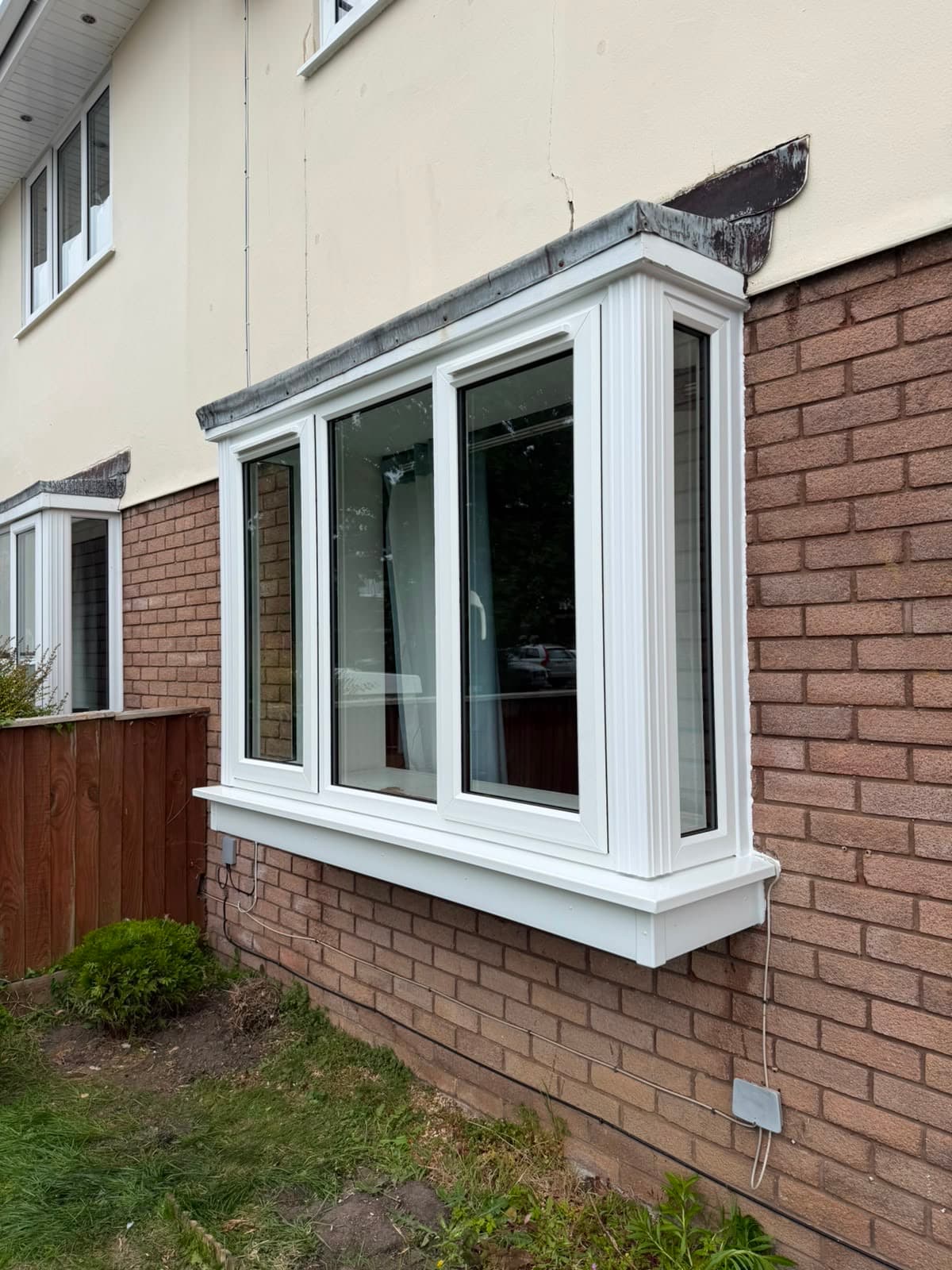
uPVC Windows
Our uPVC casement range, for value and breadth of choice.
Learn more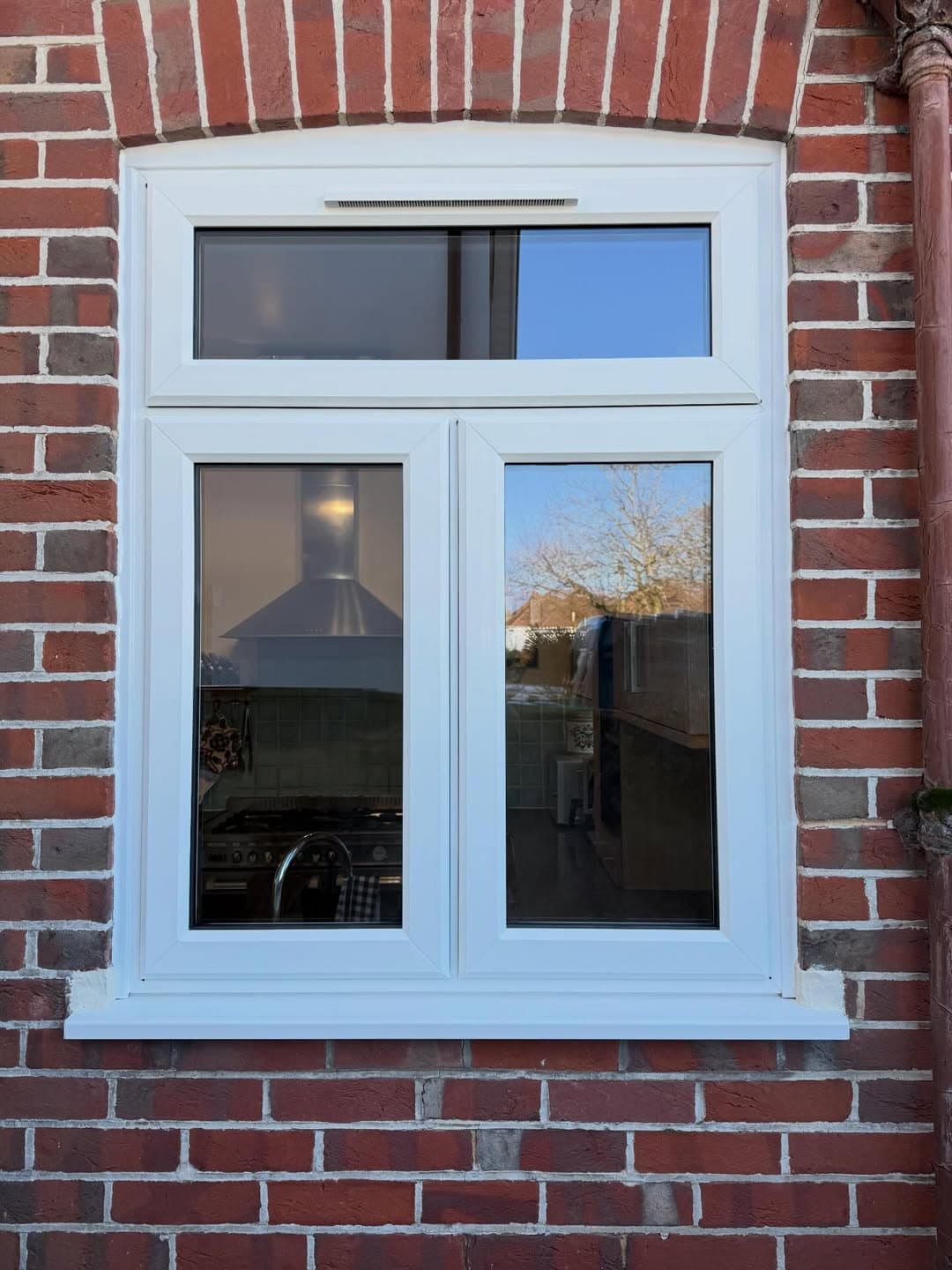
Timberlook Windows
The flush-fitting hinged alternative, styled for period properties.
Learn moreSash Windows
The vertical slide, for a genuinely period property.
Learn more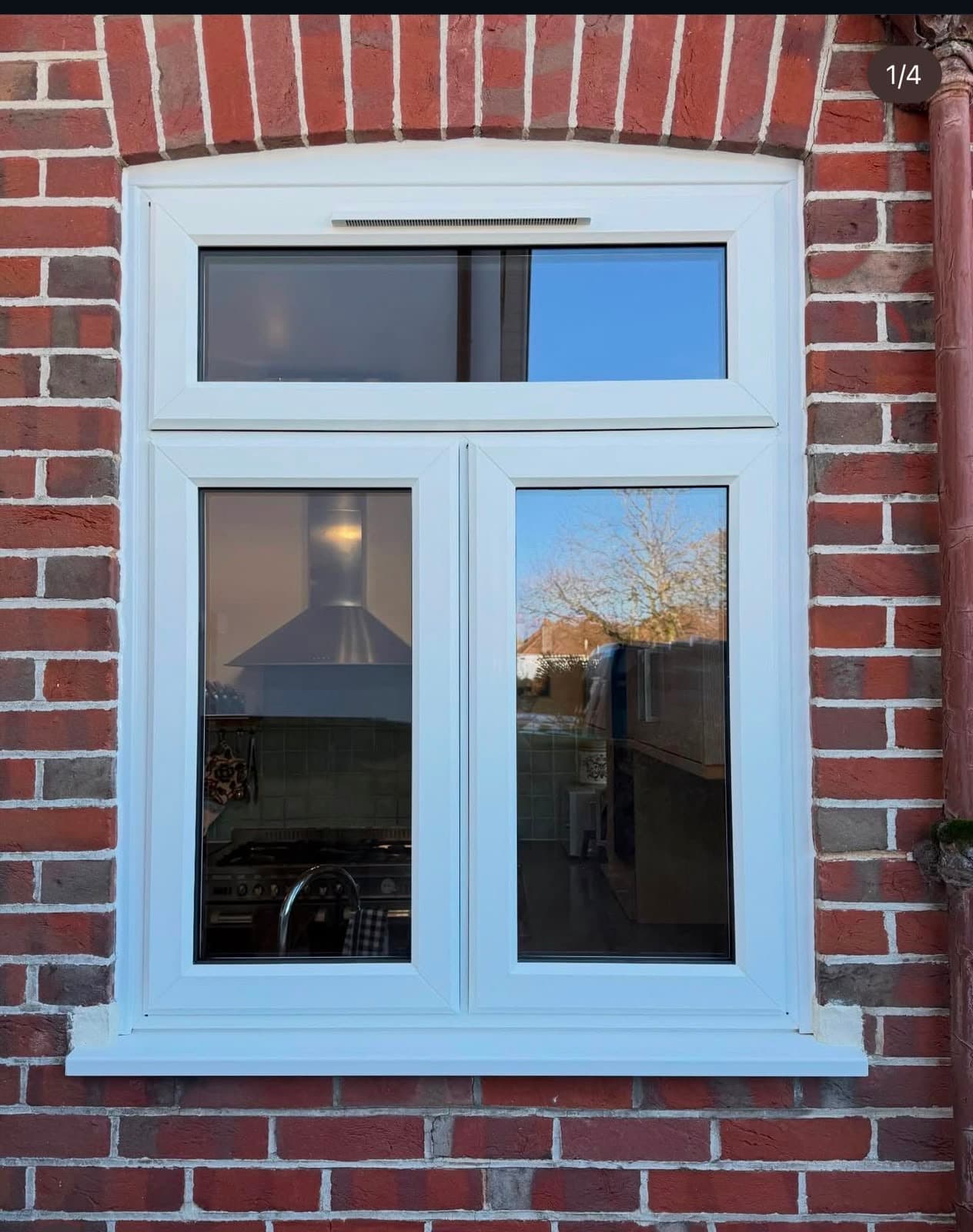
Triple Glazed Windows
Our Alitherm Heritage range, also eligible for the triple-glazing upgrade.
Learn more
Where we fit them
Covering Poole, Bournemouth and the surrounding Dorset areas.
Want to know if tilt & turn works for your house?
Book a free survey and we'll confirm it honestly, range and all.
Get a free quote
Tell us what you need and we'll come back with a price. No pressure, no hard sell.
Prefer to talk, or email? Call Wilshaw Glazing on 01202 144424 or email Josh.Critchley@wilshawgroup.com