
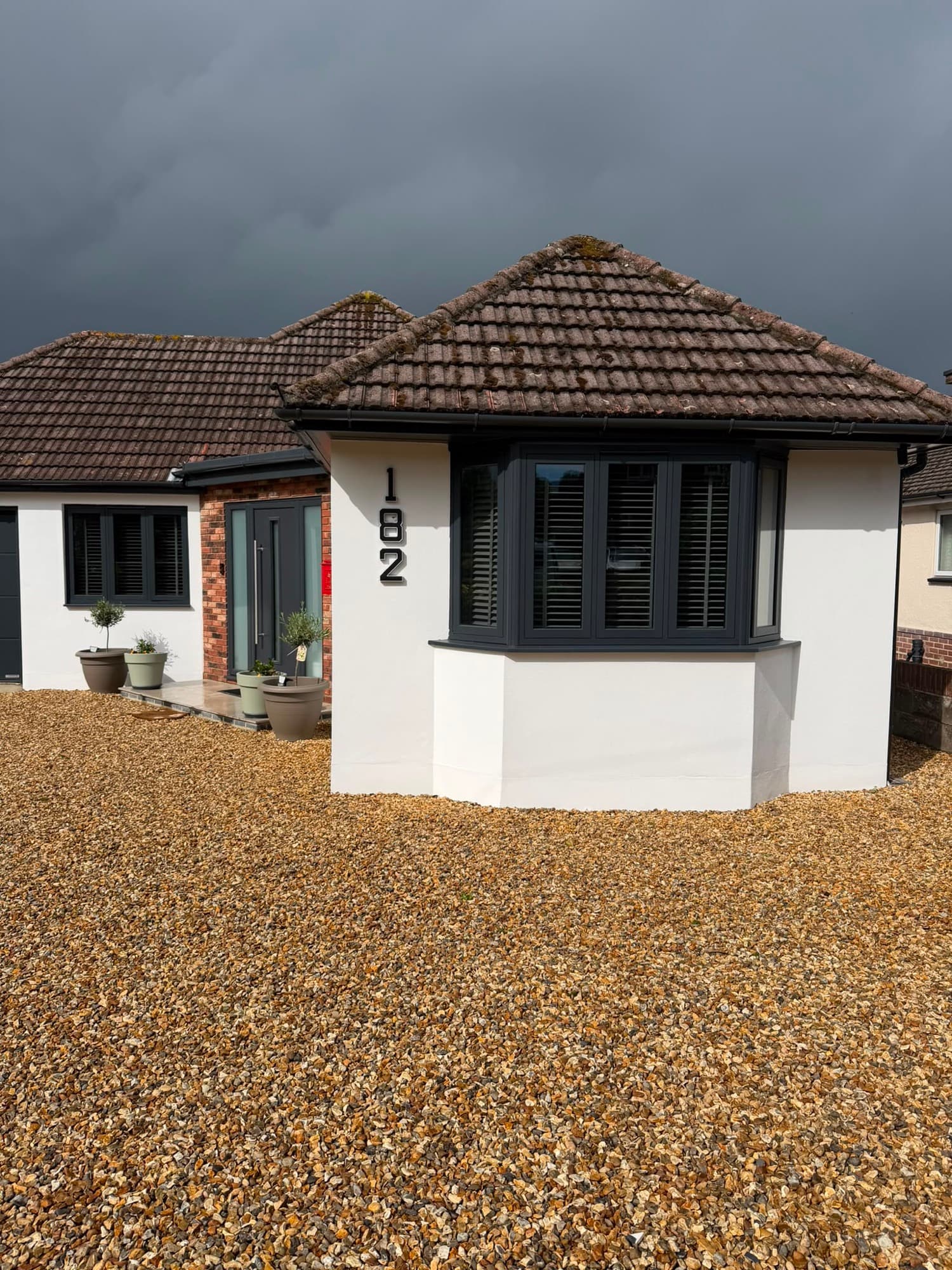
FlushCasementWindowsinPoole&Bournemouth
A flush casement is a style of window, where the opening sash sits flat within the frame instead of sitting proud of it. Here's what makes that different, and how we deliver it.
- 5.0★from 25 Google reviews
- CertifiedAssure Insurance-backed
- 10+ YearsExperience
- GuaranteedFor 10 Years
Start here
What a flush casement window actually is
A flush casement is a window whose opening sash sits completely flat within the frame, with no lip and no step. Look at a standard uPVC casement from outside and you will see the sash standing proud of the frame and overlapping it. That raised edge is what most people are reacting to when they say a replacement window looks plastic from the street. A flush casement is built the other way round, so the frame and the sash finish level with each other. It is a way of building a window, not a material — we fit flush casements in uPVC, aluminium and timber-look.
- The opening sash sits flat in the frame, with no lip and no step
- A standard casement is the opposite: the sash stands proud and overlaps the frame
- It is a construction, not a material, so you can have one in any of our three
Why people pick us for these
Three things that are true of every flush casement we fit.
Josh surveys every job himself
One point of contact from the first measure to the final fit. Not a salesman on the doorstep and then a stranger with a van.
Get a quoteA curated range across all three materials
Most local rivals carry uPVC and nothing else. We can put a flush casement in uPVC, aluminium or timber-look, so the recommendation follows your house.
Get a quoteTen years, Assure-backed
Ten years insurance-backed on our workmanship through Assure, on top of the manufacturer’s own product guarantee.
Get a quote
Still deciding on the material itself?
Flush casement is one style, and we deliver it through Timberlook specifically. If you're not sure that's the material for you, here's the full range we fit.
Flush casement, by material
- Timberlook WindowsOur flush casement range, in thirteen real finishes, no painting or treating for decades.See Timberlook Windows
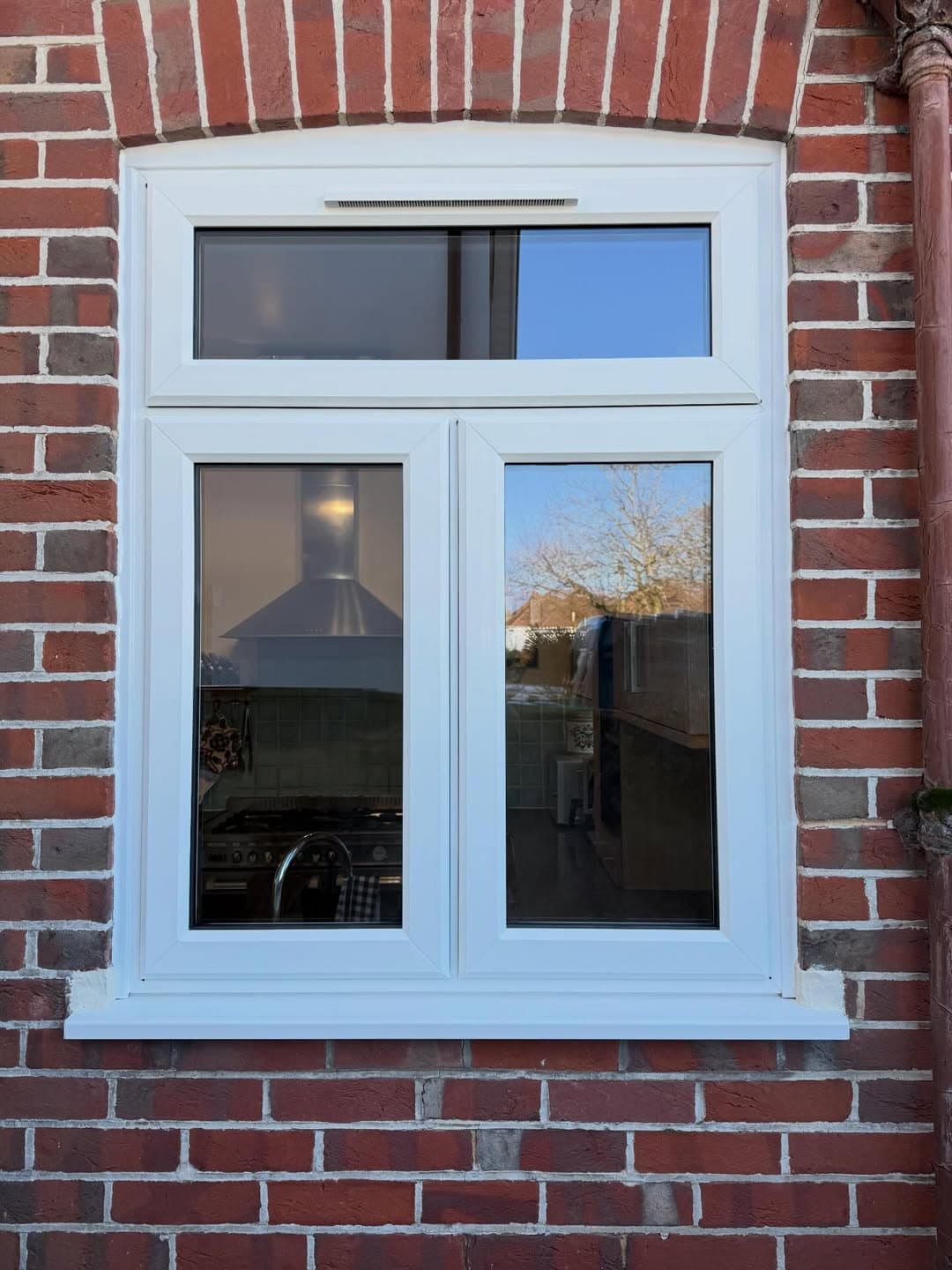 uPVC WindowsThe value option, in a standard casement, still fitted properly, not just supplied.See uPVC Windows
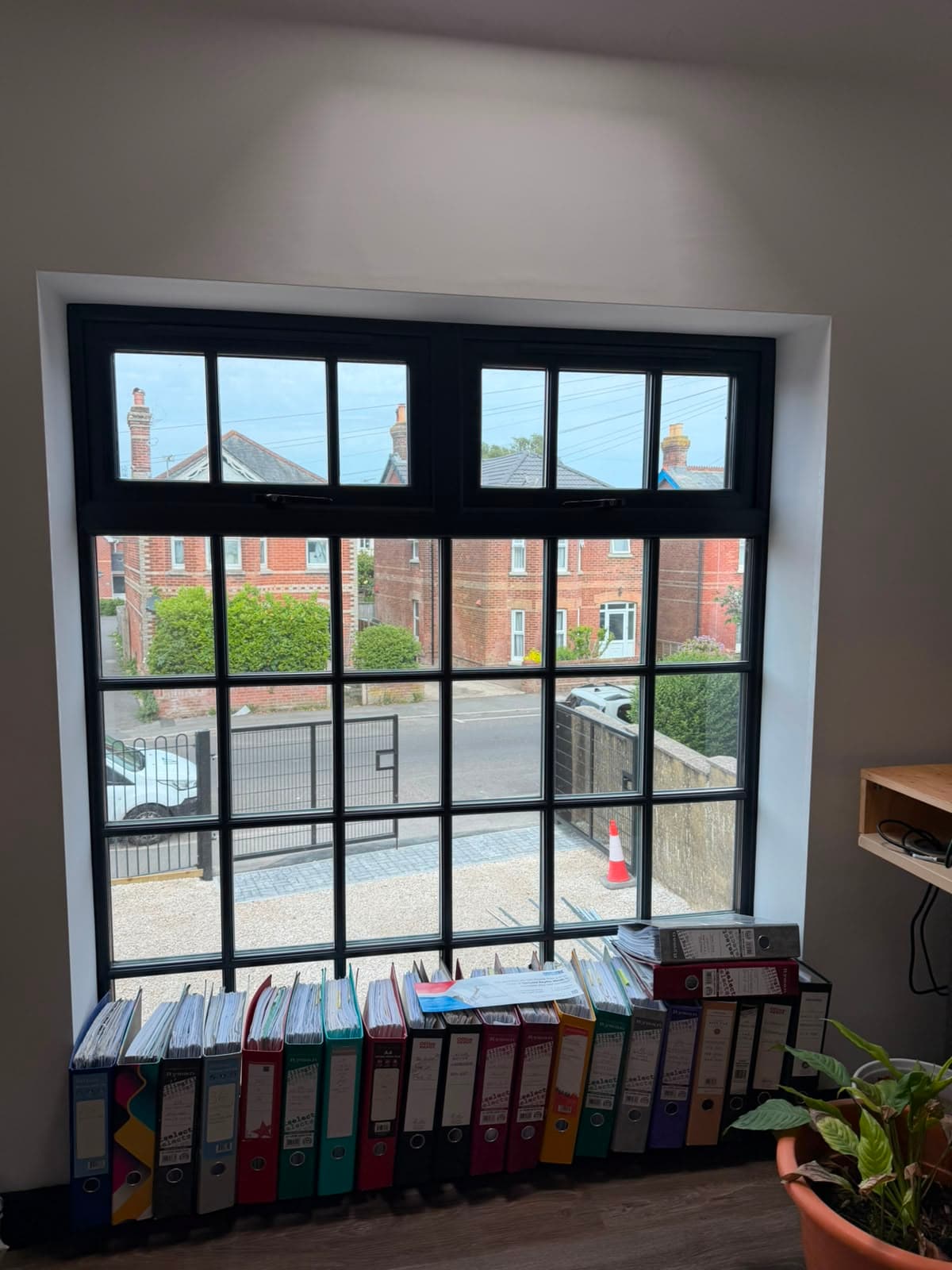 Aluminium WindowsSlim sightlines and a contemporary finish, built for the coast.See Aluminium Windows
Which material should your flush casement be?
You can have a flush casement in any of the three materials we fit. They are not interchangeable, and the right one depends on the house more than the budget.
| Timber-look uPVC | uPVC | Aluminium | |
|---|---|---|---|
| How close to timber it reads | Closest of the three: woodgrain finish and a mechanically welded corner joint | Reads as uPVC up close, whatever the finish | Reads as metal, which is the point of it |
| Frame thickness | Thicker than aluminium, in keeping with a period house | Thickest of the three | Slimmest, so the most glass for the opening |
| Upkeep | Wipe down. No repainting, ever | Wipe down | Wipe down; a marine-grade coat where you are near the sea |
| Where it suits | Period and conservation-area homes that want the timber look | Anywhere the look is less critical than the cost | Contemporary elevations, and big openings |
| Cost | Between the two | The most affordable | The most expensive |
Swipe to see every column
Pricing
What a flush casement costs, and why we quote after a survey
Every job is priced after a survey
We do not publish a price list, because the material you choose moves the price more than anything else. Josh surveys every job himself and measures the opening properly, so the written quote you get back is a fixed price for the job in front of him rather than a guess over the phone.
- Which material you go for: uPVC, aluminium or timber-look
- The size and number of windows you are replacing
- The finish, and whether the inside differs from the outside
- Whether the property is listed or in a conservation area
How it works, start to finish
No salesman, just Josh.
The survey
Josh surveys every job himself and brings the physical colour swatches, so you see the finish before deciding.
The quote
You get a written quote back, with everything it covers set out clearly and no hidden extras.
The fit
Your new windows are fitted by Wilshaw, with the site left as tidy as we found it.
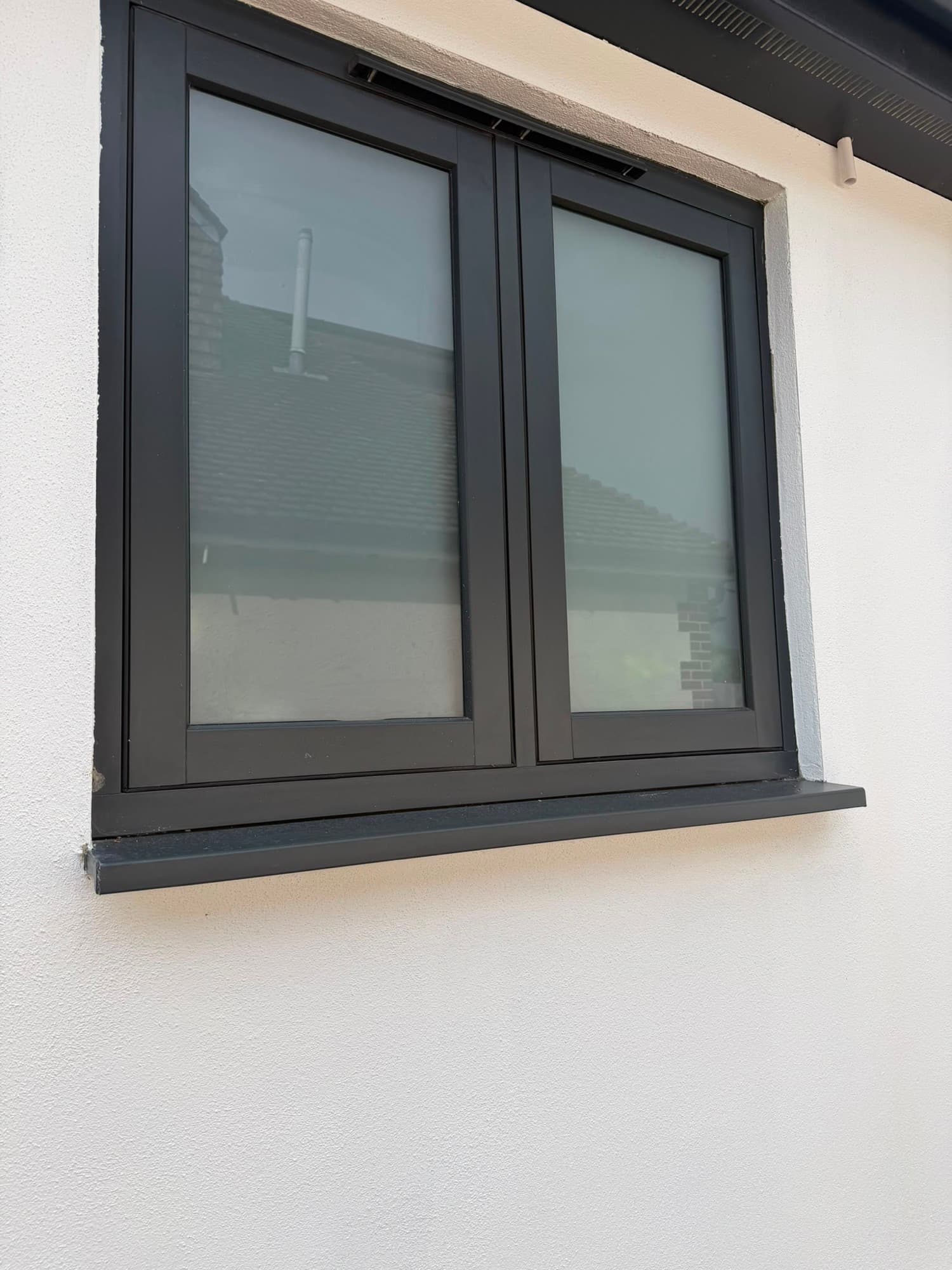
Our own flush casement installations
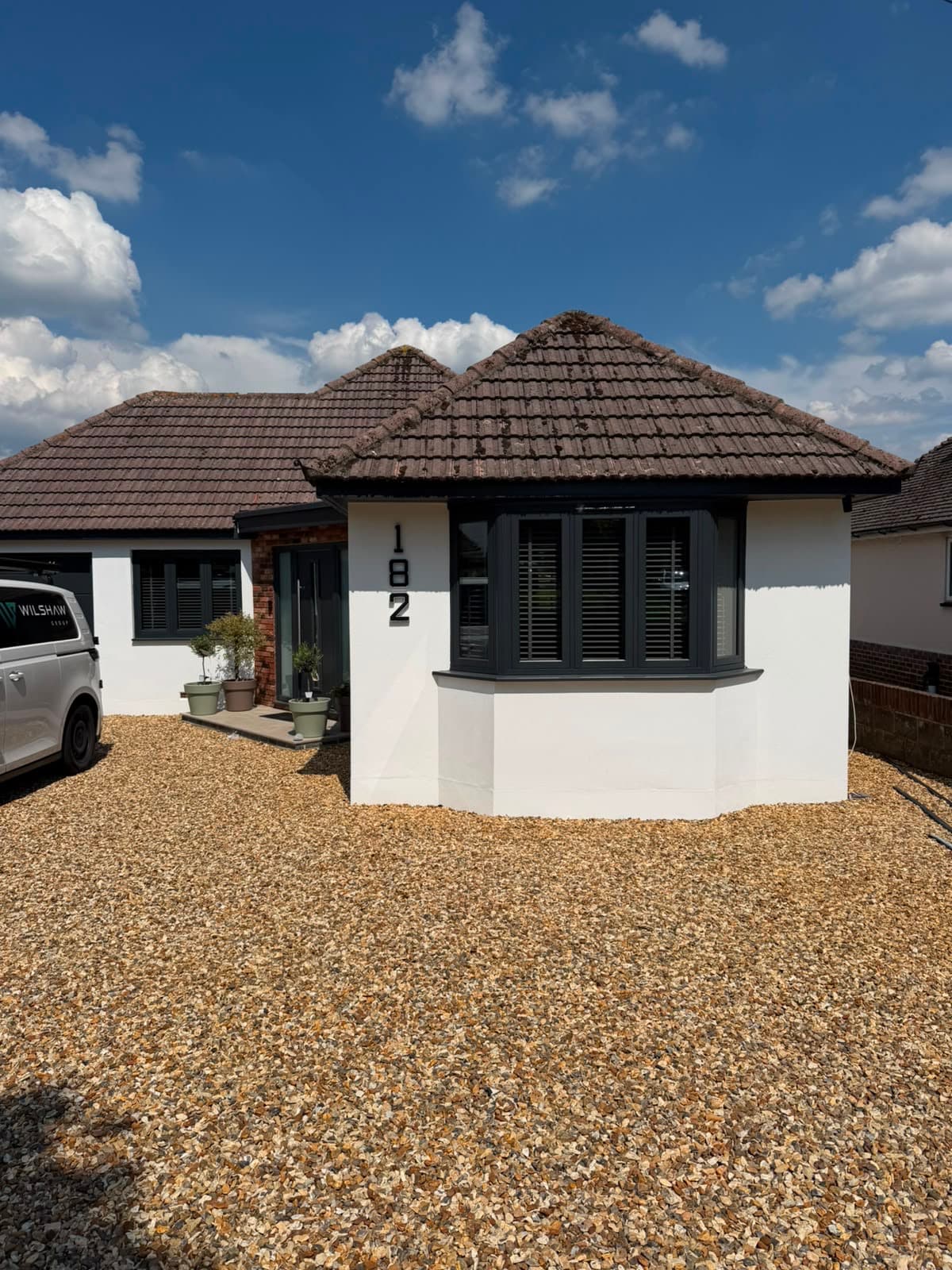
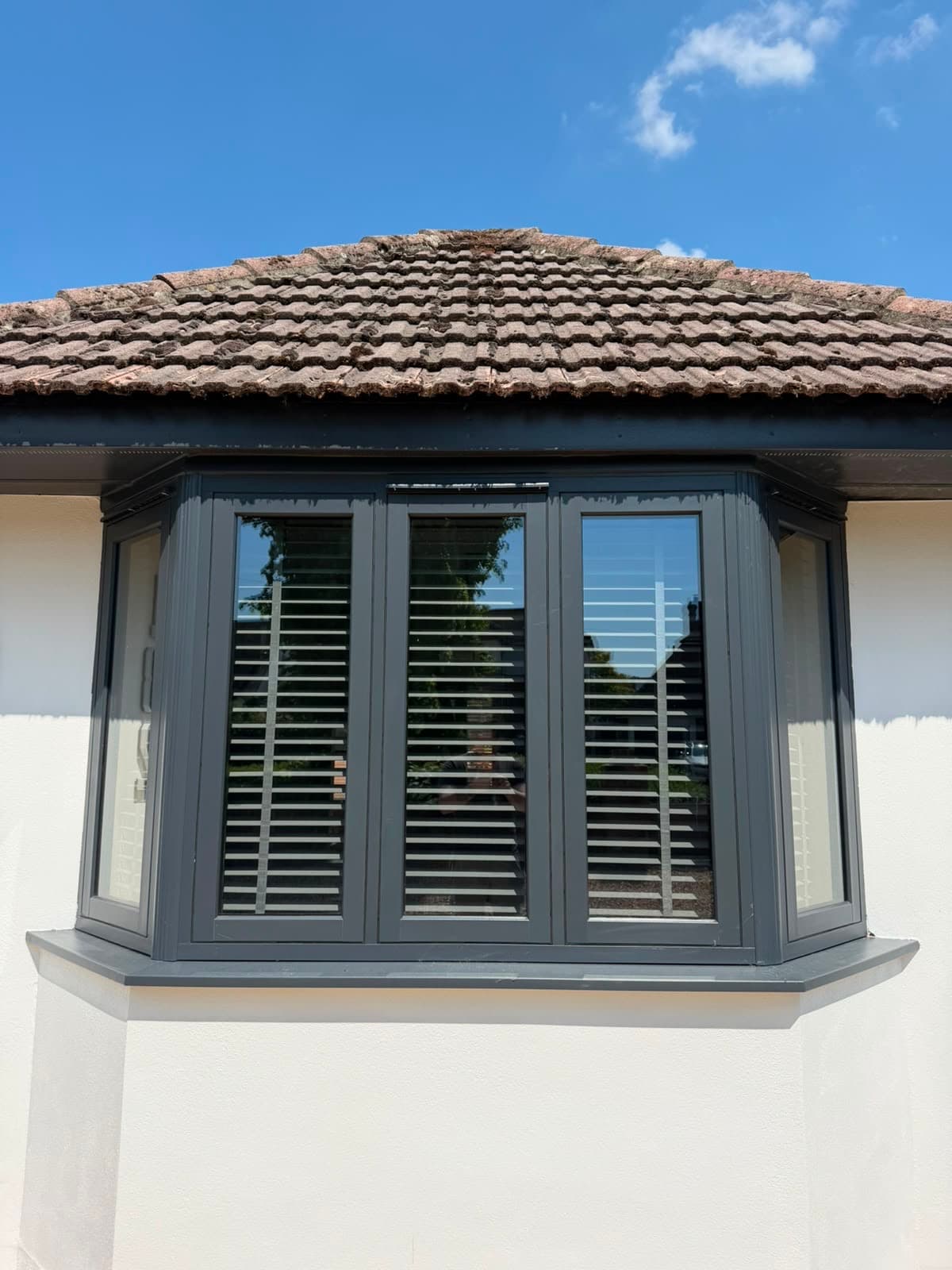
Every photograph here is a job we surveyed, supplied and fitted ourselves.
What customers say
See the live reviews on our Google Business Profile.
5.0
Natasha Evans
Josh and his team worked incredibly hard replacing all of the windows and doors in our house, including fitting a beautiful bifold door in place of our old French doors. We could not be happier with the results. The quality of the workmanship was excellent, and Josh was fantastic with communication throughout the whole process. He was reliable, professional, and kept us updated every step of the way. We would highly recommend him to anyone looking for high-quality work and great service.
Andy
Josh installed our new windows, triple track doors, roof lights and front door at our house in Bournemouth. A very professional, tidy and efficient service from beginning to end. Would highly recommend Wilshaw Glazing.
Connor McKay
Had new windows fitted throughout the house. Josh and the team were brilliant - turned up when they said they would, worked quickly, and left everything spotless. Really happy with how they look. Definitely recommend.
The bits people worry about
What if flush casement isn't actually the right style for my house?
That's what the free survey's for. Josh brings physical swatches and talks you through the look on your own elevation before you commit to anything.
Will it end up looking plastic, like a cheap replacement?
No. The flush sightline is the detail that stops that happening, and it's the whole reason the style exists as an option.
Is there building-regs hassle I have to sort myself?
No. As an Assure-registered installer, we self-certify the work against Building Regulations ourselves, so there's no separate council application for you to arrange.
The look, explained
Why it suits period and conservation-area homes
Most Victorian, Edwardian and 1930s houses were originally built with flush-fitting timber sashes, so a flush casement keeps the sightline the house was designed with. A standard lipped uPVC casement breaks that line: the sash oversailing the frame is usually what gives a replacement window away from the street, even on a house that's otherwise well kept. That's why flush casement is the style most often specified where a house's original character matters, rather than a plain like-for-like swap.
- Keeps the unbroken sightline a period elevation was built with
- The corner joint is usually the tell: a flush casement avoids the visible welded mitre a standard uPVC casement carries
- Our own installations are in Smooth Anthracite; twelve more finishes are available on the Timberlook range
Conservation areas & listed buildings
Will the council let you fit these?
Conservation area consent was abolished back in 2013, so the route now is ordinary planning permission. A lot of like-for-like replacement counts as permitted development and needs no consent at all, though an Article 4 direction can remove that right in a specific area, and listed buildings are always assessed individually. What a planning officer actually looks at is appearance, not material: the profile dimensions, the sightline widths, the joint finish and the glazing. Whether your own project gets a straightforward answer is always down to your local planning authority.
- Permitted development often covers like-for-like replacement, so no separate consent is needed
- An Article 4 direction can remove that right in specific areas, so it's always worth checking first
- Our Timberlook range has been recognised elsewhere as a genuine match for traditional flush casements, including by name from a Cotswold Council heritage officer — see the full detail on our Timberlook page
What 'flush casement' actually means
A flush casement window is one where the opening sash sits completely flat within the frame, with no lip and no step. That gives one unbroken face from the outside, exactly like the flush-fitting sashes that were standard in timber joinery before the 1930s. A standard, or lipped, casement is built the opposite way round: the sash sits proud of the frame and oversails it, which is what most people mean when they say a uPVC window looks plastic from the street.
Flush casement describes the STYLE, not the material. It's the same distinction as asking for a bay window or a sliding sash: the answer to "what does it look like" is separate from the answer to "what's it made of". We fit the flush casement style through our Timberlook range, a woodgrain-finish uPVC product built specifically to reproduce that traditional sightline and joinery detail.
What's the difference between flush casement and standard casement windows?
A flush casement sash sits flat within the frame, with no lip and no step, giving one unbroken face from the outside. A standard, or lipped, casement has the sash sitting proud of the frame, which is usually what makes a replacement window read as plastic from the street.
Do you fit flush casement in plain uPVC or aluminium?
We fit the flush casement style through our Timberlook range, which is a woodgrain-finish uPVC product built specifically for it. If you want a different material, our standard uPVC and aluminium ranges are both available in a standard casement style, and Josh can talk you through which suits your house at survey.
Will the council let me have flush casement windows in a conservation area?
Often, yes. A lot of like-for-like replacement counts as permitted development and needs no separate consent, though an Article 4 direction can remove that right locally, and it's always your council's final call. See the section above, or our Timberlook page for the full detail including a named heritage officer's acceptance.
How much do flush casement windows cost?
We don't publish set prices, because every job is different: the number of openings, the finish you choose and the glazing spec all change the cost. Josh surveys your job in person, so you get an accurate written quote rather than a guess.
What is Timberlook?
Timberlook is the flush casement range we fit, and the line Josh is actively growing because he rates it above anything else on the market for a period property. See our Timberlook page for the full range of finishes, hardware and specification.
What happens next if I want a quote?
Josh surveys every job himself, brings the physical colour swatches so you can see the finish, and measures up while he's there. You'll get a written quote back with everything it covers set out clearly.
Other window styles we fit
Timberlook Windows
The full flush casement range, in thirteen real finishes.
Learn moreSash Windows
Traditional vertical sliding sash windows for period homes.
Learn more
Tilt & Turn Windows
A single handle, two opening positions, in our Alitherm Heritage range.
Learn more
Triple Glazed Windows
Our Timberlook range is one of three that takes the triple-glazing upgrade, honestly explained.
Learn more
Where we fit flush casement windows
Covering these areas, plus the surrounding towns in Dorset and Hampshire.
Ready to see how it looks on your house?
Get a free quote, or send us a photo of your windows and we'll take it from there.
Get a free quote
Tell us what you need and we'll come back with a price. No pressure, no hard sell.
Prefer to talk, or email? Call Wilshaw Glazing on 01202 144424 or email Josh.Critchley@wilshawgroup.com